

- Home/
- Buy Seroquel in Online Pharmacy in United Kingdom Safely and Easily
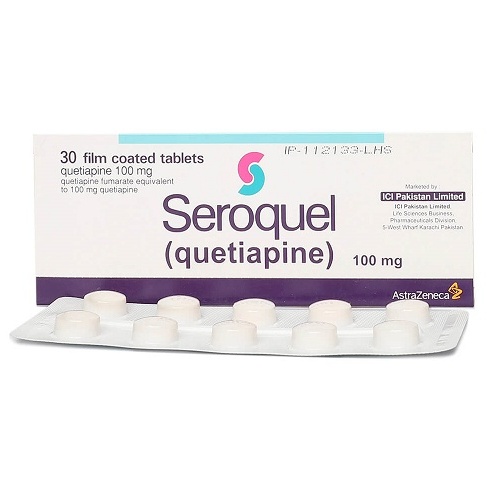
| Name of medicine | Seroquel |
|---|---|
| Main ingredient | Quetiapine |
| Type of treatment | Atypical antipsychotic for Mental Health conditions |
| Strengths available | 25 mg, 50 mg, 100 mg, 150 mg, 200 mg, 300 mg, 400 mg tablets (standard and XR) |
| How fast does it start working? | Initial effects within a few days; maximum benefit in 2–6 weeks (varies by condition) |
| How long does each dose last? | Standard tablets: 6–8 hours; Extended-release: up to 24 hours |
| How to take it | Usually once or twice daily, with or without food (follow doctor’s advice) |
| Is a prescription needed in the UK? | Yes, Seroquel is prescription-only |
| Typical price range (UK) | £6–£30 per 28 tablets (varies by strength; NHS prescription charges may apply) |
Seroquel for Mental Health: What to Know in the United Kingdom
Seroquel, with the active ingredient quetiapine, is a prescription medication used for a range of mental health conditions including schizophrenia, bipolar disorder, and as an adjunct in depression. It is approved for use in the United Kingdom and regulated by the Medicines and Healthcare products Regulatory Agency (MHRA). Understanding how Seroquel works and whether it is the right option for you involves practical, medical, and legal considerations specific to the UK.
Mental Health Problems: You Are Not Alone and Help Is Possible
Experiencing mental health challenges is more common than many realise—and you are far from alone in seeking answers. According to NHS Digital, in England, one in six adults experienced symptoms of a common mental health disorder in 2016, and the need for effective, accessible treatment continues to grow (NHS Digital, 2016). Mental health conditions such as depression, bipolar disorder, and schizophrenia affect people from all backgrounds, and many benefit from medication as part of a broader treatment strategy. The important message: these are recognised medical issues, not personal failings, and there are established, evidence-based paths to improvement, including medications such as Seroquel.
How Seroquel Works: The Underlying Mechanism and What It Means for You
Seroquel (quetiapine) operates by influencing the balance of brain chemicals—specifically, neurotransmitters like dopamine and serotonin. In mental health disorders such as schizophrenia and bipolar disorder, these brain chemicals can become dysregulated, leading to symptoms like hallucinations, mood swings, or severe anxiety.
- Physiological effect: Quetiapine acts as an antagonist at certain dopamine and serotonin receptors. By blocking the overactivity of these pathways, it helps to stabilise mood, reduce psychotic symptoms, and support improved emotional balance.
- What you might notice: Patients often report a gradual reduction in distressing thoughts, improved sleep, and more stable mood. For those with depression (when Seroquel is used as an add-on), the effect can be improved mood and better coping with day-to-day life. The timeline for noticeable change varies—some people feel better within a week, but full benefits, especially for mood stabilisation, can take several weeks.
- Practical consequence: Because Seroquel can also have a sedative effect, it is sometimes prescribed for people who have significant sleep disruption as part of their mental health symptoms.
These changes in brain chemistry are why Seroquel can help with a spectrum of mental health conditions, but also why its effects, side-effects, and suitability must be considered individually.
Is Seroquel Right for You? Personal Scenarios and Suitability Table
| Your Situation | Is Seroquel Appropriate? | Reasoning |
|---|---|---|
| Diagnosed with schizophrenia or schizoaffective disorder, struggling with voices or paranoia | Yes, often first-line or second-line | Seroquel is licensed for these conditions and can reduce psychotic symptoms while having a lower risk of movement side effects compared to older antipsychotics |
| Bipolar disorder with episodes of mania, depression, or mixed symptoms | Yes, for both manic and depressive phases | It stabilises mood, reduces mania, and is one of the few medications approved for both phases of bipolar disorder in the UK |
| Major depressive disorder, symptoms persist despite antidepressant use | Sometimes (as adjunctive treatment, not first option) | May be considered if other treatments have not worked; used as an add-on, especially if sleep disruption or anxiety is present |
| History of severe heart disease, arrhythmia, or uncontrolled low blood pressure | No | Seroquel can affect heart rhythm and blood pressure; alternative options are needed to reduce the risk of cardiac complications |
| Older adult with memory problems or dementia-related psychosis | Not recommended | Increased risk of stroke and death in this group; UK regulators advise against routine use for behavioural symptoms in dementia |
Your doctor will also consider other factors, including current medications, past side effects, and your treatment goals, before recommending Seroquel.
Taking Seroquel: Practical Guidance for Real Life
- Dosing schedule: Seroquel is often started at a low dose and increased slowly to reduce side effects. Standard tablets are usually taken twice daily; extended-release (XR) tablets are usually taken once daily, in the evening.
- With or without food: The medication can be taken with or without food, but it is important to be consistent. XR tablets should be swallowed whole, not crushed or chewed.
- Missed dose: If you forget a dose, take it as soon as you remember unless it is nearly time for your next dose. Do not double up to make up for a missed tablet. Missing a dose may cause symptoms to return, but one missed dose is rarely dangerous.
- If you feel it’s not working: Full benefits may take several weeks. If you notice no improvement after 4–6 weeks, or if symptoms worsen, inform your doctor—do not stop the medication abruptly, as this can cause withdrawal symptoms or relapse.
- What to expect: Some side effects, such as drowsiness or dry mouth, are common at the start but often improve after the first few days.
- What requires attention: New or rapidly worsening mental health symptoms, severe dizziness, palpitations, or signs of a severe allergic reaction (such as swelling of the face or difficulty breathing) require immediate medical review.
Practical tip: Keep a medication log or set a daily reminder—especially during changes in routine or travel, as missed doses are a common issue in long-term treatment.
Who Should Not Take Seroquel?
Seroquel is contraindicated in certain situations due to specific risks associated with its mechanism of action. It is not appropriate for individuals with:
- Known allergy to quetiapine or any tablet ingredient: Risk of severe allergic reaction.
- Uncorrected electrolyte disturbances (such as low potassium or magnesium): These can increase the risk of dangerous heart rhythm changes (QT prolongation).
- History of severe heart rhythm disorders (e.g., long QT syndrome): Because Seroquel can further disturb electrical activity in the heart, leading to arrhythmia.
- Children and adolescents: Not routinely prescribed for those under 18 in the UK unless by a specialist, as safety and efficacy data are limited.
- Pregnancy and breastfeeding: Should only be used if the anticipated benefit outweighs the potential risk—decision must be made with a specialist.
If you fall into any of these categories, inform your prescriber before starting Seroquel, as alternative treatments are available.
Possible Side Effects: Frequency and What to Watch For
- Very common (more than 1 in 10): Drowsiness, dry mouth, dizziness, weight gain, increased appetite.
- Common (up to 1 in 10): Constipation, low blood pressure (especially when standing), abnormal dreams, mild increase in cholesterol or blood sugar.
- Uncommon: Restlessness, blurred vision, rapid heart rate, mild swelling of hands or feet.
- Rare but serious: Signs of neuroleptic malignant syndrome (high fever, muscle stiffness, confusion), severe allergic reaction (rash, swelling, difficulty breathing), severe irregular heartbeat.
Most side effects are mild and settle within a few days. Weight gain and metabolic changes may build up over time; regular blood tests are often recommended. If you experience severe drowsiness, fainting, chest pain, or signs of an allergic reaction, seek urgent medical attention—call NHS 111 or, in a medical emergency, 999 in the UK.
Overdose: Taking too much Seroquel can cause severe drowsiness, rapid heartbeat, low blood pressure, and, in rare cases, seizures or coma. If an overdose is suspected, call 999 for emergency help immediately.
Medication Interactions: What to Avoid with Seroquel
- Other sedating medicines: Combining Seroquel with strong painkillers, sleeping tablets, or alcohol increases drowsiness and risk of accidents.
- Some antibiotics and antifungals (e.g., erythromycin, ketoconazole): These drugs can raise Seroquel levels in your body, heightening side effects and risk of heart rhythm problems.
- Carbamazepine and phenytoin (used for epilepsy): These can lower Seroquel levels, making it less effective.
- Blood pressure tablets: Risk of low blood pressure, especially when standing up quickly.
Always tell your doctor and pharmacist about every medication and supplement you take, including herbal remedies. Never adjust, start, or stop medicines without medical advice. If you start a new medication and feel unwell, contact your healthcare provider promptly.
Seroquel Compared: Alternatives and When Another Option Might Suit You Better
| Medication | Best suited for | Key advantages | Potential disadvantages |
|---|---|---|---|
| Seroquel (quetiapine) | Patients who need both antipsychotic and mood-stabilising effects, or who are sensitive to movement side effects | Flexible dosing, less likely to cause tremor/stiffness, helpful for sleep in some patients | Weight gain, drowsiness, metabolic side effects |
| Olanzapine | Severe mania, agitation | Strong efficacy for acute mania | Very high risk of weight gain and diabetes |
| Aripiprazole | Those at risk for weight/metabolic issues, younger adults | Lower risk of sedation and weight gain | Can cause restlessness or insomnia in some |
| Risperidone | Schizophrenia, bipolar disorder | Available in depot injection form, useful for non-adherent patients | Higher risk of movement side effects, hormonal effects |
| Lithium | Classic bipolar disorder, especially with suicidal thoughts | Reduces risk of suicide, proven long-term stabiliser | Requires blood monitoring, risk of kidney/thyroid problems |
Seroquel is not always the first or only choice—particularly if you have a strong family history of diabetes or are very sensitive to weight gain. Some patients do better with a different medication, or a combination, depending on symptoms and side-effect profiles. Your psychiatrist will tailor the approach to your unique needs and medical history.
Buying Seroquel in the United Kingdom: Cost, Prescription and What to Expect
| Expense | Estimated Cost (GBP) | Notes |
|---|---|---|
| Initial GP or psychiatry consultation (NHS) | Free at point of use | Via NHS; private consultations range £100–£350 |
| Prescription fee (NHS England) | £9.65 per item | Standard NHS prescription charge; free for some groups |
| Seroquel medication (28 tablets, generic) | £6–£30 | Varies by strength and pharmacy; NHS covers most costs |
| Online pharmacy delivery | £0–£5 | Standard delivery; express may be extra |
| Total | £15.65 – £44.65 | Typical NHS + private pharmacy scenario, per month |
In the UK, Seroquel can only be legally obtained with a valid prescription. Some online services offer private prescriptions with remote consultation, but these must be registered with the General Pharmaceutical Council. While some unregulated websites may claim to sell Seroquel without a prescription, this is illegal and carries significant risks of counterfeit or unsafe medication.
On the NHS, most patients pay only the standard prescription fee. For those who require private supply—usually due to preference for a particular brand, faster service, or choice of pharmacy—the cost may be higher. Delivery is widely available, but always check the pharmacy’s registration on the General Pharmaceutical Council website.
What If Your Symptoms Change, or You Have More Questions?
It is common for symptoms to evolve over time, or for new concerns to arise after starting medication. If you notice unexpected changes—such as sudden mood swings, worsening depression, or new physical symptoms—contact your healthcare provider. For urgent mental health support, NHS 111 is available 24/7. If you or someone else is at immediate risk of harm, dial 999.
“Medications like Seroquel are one part of a broader treatment plan. Regular check-ins with your mental health team are just as important as taking the tablets themselves, especially during the first months of treatment.”
— Dr. Emily T., Consultant Psychiatrist, Medical Reviewer, United Kingdom