

- Home/
- Buy Clomid at Low Price in United Kingdom Online
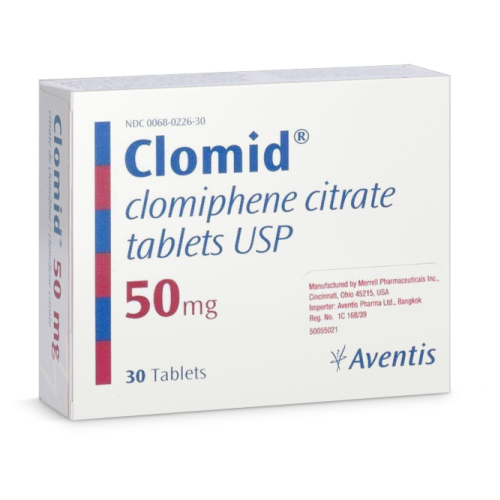
Is Clomid Really the Right Choice for Me?
Picture this: you’ve just walked out of your NHS fertility clinic, prescription in hand, and the word Clomid is echoing in your mind. Relief and uncertainty mingle. Is this the breakthrough you’ve been hoping for—or another step in a journey that feels endless? Most women offered Clomid in the UK fit one of two categories: those whose ovaries aren’t releasing eggs regularly (most often due to polycystic ovary syndrome, or PCOS) and those with unexplained infertility after basic tests.
Here’s what makes Clomid different: it’s not a blanket fertility booster. It works best when infertility is due to ovulatory problems, not tubal damage or male factors. For patients with regular cycles, the evidence shows little benefit; for those with irregular or absent ovulation, Clomid can restart the process, offering a chance at a natural pregnancy without the need for injections or IVF.
- Who should consider Clomid? Women under 40 with irregular or absent ovulation, normal uterine anatomy, and a partner with reasonable sperm parameters.
- Who probably shouldn’t? Women with blocked fallopian tubes, severe male factor infertility, or age-related egg decline—here, Clomid is unlikely to help.
- What about NHS funding? Clomid is often the first (and sometimes only) fertility drug covered by the NHS for many women meeting specific criteria.
Clinical tip: If your periods are regular and all other tests are normal, ask your doctor if Clomid is truly warranted. The benefit is greatest for ovulation problems, not unexplained infertility.
Many women discover Clomid after months or years of searching for answers. The promise it holds is real, but so is the need for a correct match: this medication is powerful when used for the right reason—and disappointing when prescribed indiscriminately.
How Clomid Works Inside Your Body — and Why It Matters
The science beneath your treatment matters most when it affects your body and your future family. Clomid’s active ingredient, clomifene citrate, is a selective oestrogen receptor modulator (SERM). Instead of supplementing hormones, it tricks your brain into thinking oestrogen levels are low. This subtle deception prompts the pituitary gland to pump out more follicle-stimulating hormone (FSH) and luteinising hormone (LH), which in turn push your ovaries to mature and release eggs.
Unlike injectable gonadotrophins, Clomid is taken as a simple tablet, usually for five days early in your cycle. Its main job: restore ovulation in those whose cycles have gone silent, particularly those with PCOS. But the effect is less dramatic in women who already ovulate regularly: “more is not always better,” as fertility clinicians often caution.
The clinical difference between clomifene and alternatives like letrozole or gonadotrophins is subtle but crucial. Clomifene rarely causes multiple ovulations per cycle, so the risk of twins is present but lower than with injectables. Its oral administration means fewer clinic visits and lower cost, but also a ceiling effect: if your ovaries do not respond within a few cycles, more Clomid will not help.
- Time to ovulation: Most women ovulate 5-10 days after the last tablet.
- Monitoring: Regular scans are not always needed, but some clinics recommend at least one to confirm response and check for ovarian cysts.
- Duration: Maximum benefit is usually seen within 3-6 cycles. Prolonged use does not increase chances and may add risk.
For many, the first ovulatory cycle on Clomid is a revelation. Others, however, may not respond—a reality that highlights the importance of ongoing assessment and open communication with your fertility team.
What It’s Like to Take Clomid: Real Expectations
The day you pick up your first box of Clomid marks not just a change in medication, but a shift in hope. For some, the experience is straightforward: five days of tablets, followed by the anticipation of ovulation and the possibility of a positive test. But in truth, the Clomid journey rarely feels so smooth.
The most common physical changes: hot flushes, mood swings, headaches, and occasional blurred vision. For most, these symptoms are mild and transient, but they can be startling if unexpected. Emotional ups-and-downs are often as influential as physical ones — especially when hope builds and disappointments follow.
- Clomid is not an instant solution: It can take several cycles to achieve ovulation — and pregnancy is not guaranteed even if ovulation occurs.
- Monitoring isn’t always “one size fits all”: NHS clinics may offer limited scans compared to private practice. Ask what is recommended for your situation.
- Sex and timing: Your doctor will advise when to try to conceive, usually starting a few days after the last tablet and continuing through the likely fertile window.
One reality few articles mention: Clomid can turn intimacy into a chore. The pressure of “timed intercourse” can strain relationships, especially if cycles pass without success. If you find your mental well-being suffering, ask your clinic for support — emotional resilience is as important as biological response.
The bottom line: most women tolerate Clomid well, but being prepared for the highs and lows—physical, emotional, and practical—makes for a more realistic, and ultimately more hopeful, journey.
Clomid vs Other Female Infertility Treatments: What Sets It Apart?
The decision to start Clomid rarely happens in a vacuum. Most patients in the UK will have weighed up alternatives—letrozole, injectable gonadotrophins, and even IVF—before settling on Clomid. What makes it the preferred first step for many clinicians?
| Attribute | Clomid (Clomifene) | Letrozole | Injectable Gonadotrophins |
|---|---|---|---|
| How it’s taken | Tablet, 5 days/cycle | Tablet, 5 days/cycle | Injection, daily |
| Primary use in UK | Ovulation induction (esp. PCOS) | PCOS, unexplained infertility | Ovulation induction, IVF |
| Effectiveness (ovulation) | ~70-80% | ~70-80% | ~90%+ |
| Pregnancy rate per cycle | 20-25% | 20-27% | 20-30% |
| Risk of twins | 6-10% | ~7% | ~20% (higher-order multiples possible) |
| Monitoring required | Low-moderate | Low-moderate | High (frequent scans, bloods) |
| NHS availability | Yes (if criteria met) | Increasing, not universal | Yes, but usually after oral agents fail |
| Side effect profile | Hot flushes, mood swings, headaches | Fatigue, dizziness, less anti-oestrogen effects | Ovarian hyperstimulation, injection site issues |
| Cost (NHS/private) | Low/Moderate | Low/Moderate | High |
What does this mean for patients? Clomid is simple, relatively safe, and accessible. For many, it’s the first rung on the ladder: oral medication, minimal monitoring, and moderate success rates. Letrozole is gaining in use, especially for women with PCOS who don’t respond to Clomid, as it may have a slightly higher pregnancy rate and fewer side effects related to oestrogen blockade. Gonadotrophins, while powerful, are typically reserved for those who fail to respond to oral agents, and carry an increased risk of multiples and more intensive monitoring.
Doctor’s insight: “In real-world practice, most patients prefer starting with Clomid because it is less invasive and better tolerated than injectable drugs. But we move to alternatives quickly if there is no response, as prolonged cycles on Clomid add little benefit and can increase emotional strain.”
Which Side Effects Matter Most with Clomid — and When to Act
Every woman wants to know: what is this drug really going to do to me? Package inserts list dozens of possible effects, but in practice, only a handful are frequent or serious enough to change your course.
- Hot flushes: The most common side effect, usually mild and transient, but sometimes intense enough to disrupt sleep or daily life.
- Mood swings/irritability: These can range from subtle to significant — and are sometimes more distressing than the physical symptoms.
- Headaches and breast discomfort: Reported in up to 10-15% of users, typically resolving after the course ends.
- Visual changes: Blurred vision or seeing spots may occur in a small minority. If this happens, stop Clomid and contact your doctor immediately.
- Ovarian cysts: Rare, but can cause pelvic pain or bloating. Most resolve without intervention.
Unlike injectable fertility drugs, Clomid rarely causes severe ovarian hyperstimulation in UK practice. Still, it is not risk-free. Chronic use beyond six cycles may raise the risk of ovarian tumours—though the evidence is controversial and the NHS limits course length accordingly.
| Side Effect | Frequency | When to Contact a Doctor |
|---|---|---|
| Hot flushes | Very common | If severe or interfering with daily life |
| Mood changes | Common | If persistent or affecting mental health |
| Headache | Common | If severe or with visual changes |
| Visual disturbances | Uncommon (~1-2%) | Immediately; stop medication |
| Ovarian cysts | Uncommon | If severe pain or swelling |
| Ovarian hyperstimulation | Rare | Immediate medical attention |
Most patients tolerate Clomid without serious issues. Still, knowing what is “normal” and what demands a call to your clinic is part of safe, empowered treatment.
When Not to Take Clomid
- Pregnancy: Never take Clomid if you are, or suspect you may be, pregnant. A negative pregnancy test before each cycle is essential.
- Unexplained abnormal vaginal bleeding: This must be fully investigated before starting treatment to rule out cancer or other serious conditions.
- Liver disease: Any active or chronic liver dysfunction means Clomid is unsafe.
- Ovarian cysts (not due to PCOS): High risk of complications if cysts are present.
- Known or suspected hormone-dependent tumours: Such as breast, uterine, or ovarian cancer.
- Thyroid or adrenal dysfunction: These conditions must be managed first, as they can also cause ovulatory problems.
- Age over 40: Pregnancy and drug-related risks increase with age; discuss alternatives with your specialist.
- Male factor or tubal infertility: Clomid will not address these causes; alternative strategies are needed.
In every case, your doctor should assess your suitability for Clomid with a full medical history, examination, and relevant blood tests. Always ask: “Have all other causes of infertility been ruled out before starting?”
Getting Clomid in the UK: What to Know Before You Start
Here’s how access usually works in practice:
- Referral: Most women are referred to a secondary care fertility clinic after basic investigations. GPs rarely initiate Clomid without specialist input.
- Eligibility: NHS criteria vary by region, but typically include age limits, BMI under 30-35, non-smoking status, and normal ovarian reserve. Private clinics may be more flexible.
- Prescription: Once prescribed, the medication is dispensed at your local or hospital pharmacy. Your doctor will usually advise how many cycles to try (typically 3-6).
- Monitoring: NHS clinics may offer minimal monitoring, while private clinics may provide scans and bloodwork each cycle. Know what to expect from your care provider.
- Cost: Under the NHS, Clomid is typically included in funded fertility treatment. Privately, expect to pay £15-£40 per cycle, dependent on brand and dispensing pharmacy.
The UK’s Medicines and Healthcare products Regulatory Agency (MHRA) oversees approval and quality of fertility drugs. Only use medication from registered UK sources. Unregulated online sellers pose risks to your health and legal exposure.
Before you start, ask your clinic: “What is the plan if Clomid doesn’t work for me?” Knowing the next steps can reduce anxiety and set realistic expectations.
FAQ: Clomid & Female Infertility in the UK
- How long does it usually take to get pregnant on Clomid?
- Most pregnancies occur within the first three to six cycles if Clomid is going to work. If you haven’t conceived after six cycles, your doctor will likely recommend alternative treatments.
- Is it safe to buy Clomid from online pharmacies?
- No. In the UK, Clomid is prescription-only. Buying from unregulated sources is illegal and risky—counterfeit medicines may be ineffective or harmful. Always use a registered pharmacy with a valid prescription.
- Will I need monitoring while taking Clomid?
- Some clinics offer an ultrasound to confirm ovulation and check for cysts, but NHS monitoring is often minimal unless there are complications. Private clinics may offer more frequent scans.
- Can Clomid increase my risk of twins or triplets?
- Yes, but the risk is lower than with injectable fertility drugs. About 6-10% of pregnancies with Clomid result in twins, and higher-order multiples are very rare.
- What should I do if I miss a dose?
- If you forget a dose, take it as soon as you remember—unless your next dose is due soon, in which case skip the missed tablet. Do not double up. Contact your clinic if you miss more than one dose in a cycle.
- Does Clomid have long-term side effects?
- Long-term risks are low when limited to 3-6 cycles. There is a theoretical risk of ovarian tumours with prolonged use, but the evidence is not clear-cut. Your doctor will limit your course for safety.
- Can I take Clomid if I have PCOS?
- Yes, Clomid is especially effective for women with PCOS-related anovulation, provided other causes of infertility are ruled out and your hormonal profile is suitable.
- What happens if Clomid does not work for me?
- If you do not ovulate or conceive after the typical 3-6 courses, your fertility specialist may suggest alternatives like letrozole, gonadotrophins, or assisted reproduction techniques such as IVF, depending on your overall health and fertility factors.
Sources & References
- Medicines and Healthcare products Regulatory Agency (MHRA). UK Government.
- Infertility: Treatment, NHS, 2023
- Fertility problems: assessment and treatment (CG156), National Institute for Health and Care Excellence (NICE), 2017
- Clomid: EPAR, European Medicines Agency (EMA)
- Ovulation induction using clomifene citrate, gonadotrophins and GnRH agonists, Royal College of Obstetricians and Gynaecologists (RCOG), 2013
- Clomiphene (oral route), Mayo Clinic
- Infertility, World Health Organization (WHO)
- Clomid (clomifene citrate) Summary of Product Characteristics, Sanofi, latest revision