

- Home/
- Buy Antabuse in Online Pharmacy in United Kingdom
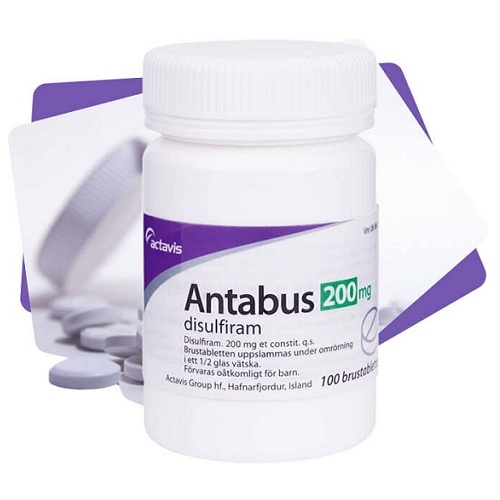
Antabuse (disulfiram) is a prescription medication used in the United Kingdom as part of treatment for alcohol dependence. It works not by blocking cravings, but by creating a powerful deterrent: drinking alcohol while taking Antabuse leads to immediate, unpleasant physical reactions. The critical point to understand before starting Antabuse is that it requires absolute commitment to abstaining from alcohol—even small amounts in food, drink, or medicines can trigger a reaction. This medication should only be started under the guidance of a healthcare professional experienced in alcohol dependence treatment.
Is Antabuse the Right Choice for You in the UK?
Sometimes the decision to use Antabuse feels less like a medical choice and more like a turning point. For many people with alcohol dependence in the UK, the question isn’t “what is Antabuse?” but “is this the step I need to take?” There’s rarely a simple answer. Some arrive at Antabuse after years of trying other ways to stop drinking—therapy, support groups, or newer medications that claim to reduce cravings. Others are offered it early, sometimes by a determined GP, sometimes by a specialist in an NHS alcohol team. But the critical question remains: is Antabuse a fit for your situation, your life, right now?
What makes Antabuse different from other options isn’t its ability to take away cravings. Unlike acamprosate or naltrexone, Antabuse doesn’t touch the brain’s chemistry or the urge to drink. Instead, it makes drinking physically punishing—fast, intense, and impossible to ignore. For some, this is the deterrent they need: a line they cannot cross without immediate consequence. For others, it’s a bridge too far, or a risk they’re not willing to take. The commitment demanded is total: Antabuse only works if you’re determined to avoid alcohol completely. If you’re still ambivalent about stopping, another medication—or a period of further support—may be a better starting point.
Clinical insight: In the UK, Antabuse is almost never prescribed automatically. It’s reserved for people who are genuinely ready to stop drinking and want an additional safeguard against relapse. The NHS and NICE guidelines recommend it as a second-line or add-on treatment, not the first approach for everyone (NICE).
- Antabuse is for adults diagnosed with alcohol dependence who have already completed detoxification and are committed to abstinence.
- It is not a “cure”—it is a tool to help you stay sober, especially in the high-risk first months after stopping drinking.
- The decision to start Antabuse should always be made with a healthcare professional familiar with alcohol dependence management.
If you are unsure whether your motivation is strong enough, or if you want to explore other options first, speak to your doctor or local alcohol team. Antabuse is a powerful option, but it sits within a much broader landscape of support in the UK.
How Antabuse Works: What to Expect in Daily Life
The science behind Antabuse is deceptively simple. Disulfiram blocks an enzyme in your liver that breaks down alcohol. When you drink, even a few sips, a toxic substance called acetaldehyde builds up rapidly in your body. The result? Flushing, pounding heartbeat, nausea, chest pain, anxiety—sometimes severe enough to require medical attention. These reactions can last for hours. But what does this mean in the context of everyday life in the UK?
Here’s the reality: Antabuse turns any alcohol exposure into a vivid, immediate deterrent. That includes not just drinks, but mouthwash, some cold remedies, and even certain foods cooked with wine or spirits. The level of vigilance required surprises many patients. The deterrent effect of Antabuse isn’t theoretical; it’s real, and it works whether the alcohol is intentional or accidental. Most people will never risk it more than once.
- Disulfiram reaction
- A rapid-onset syndrome caused by drinking alcohol while on Antabuse: flushing, headache, breathlessness, palpitations, nausea, vomiting, and sometimes more severe symptoms like hypotension or chest pain.
- How long does Antabuse remain active?
- The effect can last up to two weeks after the last dose. This means you cannot “cheat” by skipping a day and then drinking safely. The risk persists.
What surprises many is the psychological effect. For some, knowing that drinking will be punished so quickly and so severely changes their relationship with alcohol. For others, the risk creates anxiety about accidental exposure—checking every label, asking about ingredients, and declining even celebratory toasts at weddings or work events. This hypervigilance is both the strength and, sometimes, the challenge of Antabuse.
- You will need to avoid all forms of alcohol, including in non-drink products.
- Friends, family, and colleagues should know you are taking Antabuse. This can help prevent accidental exposure and explain your caution in social settings.
- The deterrent effect is most powerful in the first months after stopping drinking. Over time, some people transition to less restrictive treatments or stop medication altogether.
Taking Antabuse: What Real-World Use Looks Like
Starting Antabuse isn’t something you do alone and without preparation. In the UK, most people begin under medical supervision, often after a period of medically assisted alcohol withdrawal (“detox”). Your doctor or nurse will confirm that your body is clear of alcohol before you take your first dose. This is not negotiable—starting with alcohol still in your system can be dangerous.
Once started, Antabuse is usually taken as a tablet once daily in the morning. The standard adult dose is 200mg per day, but your doctor may adjust this based on your response, side effects, or specific circumstances. For people who struggle with daily adherence, supervised dosing—where a family member, nurse, or pharmacist observes or even provides the dose—is sometimes recommended. This is more common in structured NHS alcohol services than in general practice.
| Patient Group | Standard Dose | Adjustments | Notes |
|---|---|---|---|
| Adults (18-65) | 200 mg daily | Up to 500 mg for selected cases, always under medical supervision | Must be alcohol-free 24+ hours before first dose |
| Older Adults (>65) | 100-200 mg daily | Start low, increase only if well-tolerated | Monitor for side effects closely |
| Liver/Kidney Impairment | Usually <200 mg daily | Adjust or avoid depending on severity | Consult specialist; avoid in severe hepatic impairment |
| Children <18 | Not recommended | N/A | Safety and effectiveness not established |
In the UK, Antabuse is almost exclusively used in adults. The starting dose is standard, but the approach is always personalised. Your healthcare team will review for possible drug interactions and monitor for side effects, especially in the first weeks. If you miss a dose, take it as soon as you remember, but never double up. If you miss several days, speak to your doctor before restarting—do not assume it is safe to resume on your own.
- Take Antabuse at the same time each day, ideally in the morning.
- Keep regular appointments for monitoring—liver tests, mood check-ins, and support.
- Be open about any side effects, missed doses, or slips (drinking while on Antabuse). Your care team’s priority is safety, not blame.
Which Side Effects Matter Most with Antabuse—and When to Act
The side effects of Antabuse fall into two categories: those that occur when you take the medication as prescribed and those that can happen if you drink alcohol while on it. Here’s what you need to know to distinguish between expected reactions and true warning signs.
Most people tolerate Antabuse well if they avoid alcohol. The most common side effects include metallic or garlic-like taste, mild drowsiness, tiredness, and mild skin reactions. These are usually mild and settle within days or weeks. More rarely, significant liver problems, nerve inflammation (peripheral neuropathy), or psychiatric symptoms can occur. Some symptoms—like yellowing of the eyes or skin, persistent vomiting, or mental status changes—require immediate attention.
| Side Effect | How Often | When to Contact a Doctor |
|---|---|---|
| Metallic/garlic taste | Common (up to 40%) | If persistent or affects eating |
| Drowsiness, fatigue | Common (10-20%) | If severe or interfering with daily activities |
| Mild rash or itching | Uncommon (<10%) | If spreading, severe, or accompanied by swelling or difficulty breathing (seek immediate help) |
| Liver toxicity (jaundice, dark urine) | Rare (<1%) | Stop Antabuse and contact your doctor immediately |
| Peripheral neuropathy (numbness, tingling) | Rare (<1%) | If persistent or worsening |
| Psychiatric symptoms (mood changes, confusion) | Very rare | If new or severe, contact your doctor promptly |
| Disulfiram-alcohol reaction | Almost universal if alcohol is consumed | Seek immediate medical attention for severe symptoms (chest pain, breathlessness, collapse) |
In real-world UK practice, doctors pay particular attention to liver function tests before and during therapy. Alcohol dependence itself increases the risk of liver issues, and Antabuse can add to this. If you develop signs of jaundice, dark urine, severe abdominal pain, or confusion, stop Antabuse and seek medical advice the same day.
Antabuse Compared to Alternatives: When Disulfiram Makes Sense
Choosing a medication for alcohol dependence is rarely about finding the “best” option on paper. It’s about fit. Antabuse, acamprosate, and naltrexone are the big three in the UK. Each works differently, brings distinct pros and cons, and suits different patients at different times. Here’s how Antabuse stands apart.
| Attribute | Antabuse (Disulfiram) |
Acamprosate | Naltrexone |
|---|---|---|---|
| Main Mechanism | Alcohol-aversive (deterrent) | Normalises brain chemistry post-alcohol | Reduces reward from drinking |
| Craving Reduction | No direct effect | Yes | Yes |
| Reaction if Drinking | Severe physical symptoms | None | Reduced pleasure/“buzz” |
| Who It Suits | High-motivation, structured lifestyle, reliable adherence | Persistent cravings, less structure needed | Social drinkers, those aiming to reduce not always abstain |
| Key Risks | Liver issues, severe reaction with alcohol | Gastrointestinal side effects | Liver issues, mood changes |
| Prescribing | Second-line, requires consent and monitoring | First-line, widely prescribed | First-line, but contraindicated in liver failure/opioid use |
| Cost (NHS/Private) | Low, usually NHS covered | Low, NHS covered | Low to moderate, NHS covered |
| Ease of Use | Strict alcohol avoidance, daily pill | Multiple daily pills, fewer restrictions | Daily pill, some food/alcohol flexibility |
This table shows where Antabuse fits. It isn’t the first choice for everyone. For those who struggle with ongoing cravings even after detox, acamprosate or naltrexone may offer a smoother path—less risk if you slip, fewer day-to-day restrictions. But for someone who is clear about wanting total abstinence, who is willing to accept the need for vigilance, and who responds to an external deterrent, Antabuse remains a uniquely powerful tool. Its deterrent effect is both its main advantage and its main challenge.
Doctor’s view: “In my experience, Antabuse is transformative for a small group of patients—the ones who truly embrace the commitment it requires. But it’s a poor fit for those who still wrestle with the urge to drink or who prefer a more flexible approach. The single biggest mistake is thinking of it as a magic shield. It’s more like an insurance policy: powerful, but you have to pay the premium of strict adherence and honesty with yourself and your doctor.”
Getting Antabuse in the United Kingdom: Prescriptions, Cost, and Care
Access to Antabuse in the UK is shaped by how the NHS and regulatory authorities view alcohol dependence treatment. Antabuse is a prescription-only medicine, regulated by the Medicines and Healthcare products Regulatory Agency (MHRA). It is almost never prescribed casually or without a structured support plan.
Once prescribed, Antabuse is dispensed by a local pharmacy—either hospital or community, depending on where the prescription originated. The NHS covers the cost for eligible patients, subject to standard prescription charges. Private prescriptions are possible, but the cost is generally modest compared to other medicines. The key barrier to access is not price, but clinical suitability and readiness for abstinence.
- Prescription rules: Only a qualified prescriber can initiate Antabuse.
- Supervised dosing: In some regions, “supervised consumption” schemes may be available, where a pharmacist or nurse observes your daily dose. This can increase safety and adherence.
- Monitoring: NHS protocols require baseline and periodic liver function tests, mental health assessments, and regular support sessions, especially in the first three months.
If you’re considering Antabuse, your first step is to discuss it with your GP or with a local NHS alcohol team. Be prepared to talk honestly about your goals, your past experiences with alcohol, and your readiness to commit to abstinence. Most services work collaboratively with patients to create a plan that fits real life—not just guidelines.
- MHRA
- The Medicines and Healthcare products Regulatory Agency is the UK’s authority for drug approval and safety monitoring.
When Not to Take Antabuse: Contraindications That Cannot Be Ignored
- Current intoxication or withdrawal – Never start Antabuse if alcohol is still in your body.
- Severe liver disease – Cirrhosis, hepatitis, or acute liver dysfunction increase risk of serious harm.
- Psychosis or severe mental illness – Antabuse may worsen psychiatric symptoms.
- History of severe heart disease – Especially coronary artery disease or arrhythmias.
- Pregnancy or breastfeeding – Safety is unproven.
- Hypersensitivity to disulfiram or similar compounds.
These are non-negotiable: if you fall into any of these categories, Antabuse is not safe for you. There are other treatment paths, but this one closes here. Relative contraindications—conditions where caution and clinical judgment are needed—include mild to moderate liver impairment, neurological conditions, and older age. In these situations, your doctor will weigh risks and benefits, sometimes with input from a specialist team. The UK prescribing culture is conservative: erring on the side of safety, especially where alcohol dependence has already placed extra strain on the body’s systems.
- What if I develop a new medical problem while on Antabuse?
- Always inform your doctor immediately. Some conditions (like new liver disease or psychiatric symptoms) may require stopping Antabuse, changing dose, or switching treatments entirely.
Frequently Asked Questions about Antabuse in the UK
- Can I drink any alcohol at all while taking Antabuse?
- No—even small amounts of alcohol, including in sauces, desserts, or medicines, can trigger a potentially severe reaction. Total abstinence is required.
- How long after my last drink should I wait before starting Antabuse?
- You must be completely alcohol-free for at least 24 hours (sometimes longer) before your first dose. Starting with alcohol in your system can cause dangerous reactions. Your healthcare team will advise you on exact timing.
- What happens if I accidentally consume alcohol while on Antabuse?
- You will likely experience flushing, nausea, vomiting, palpitations, and possibly more severe symptoms. For mild reactions, rest and fluids may be enough, but for chest pain, breathlessness, or collapse, seek immediate medical help.
- Is Antabuse available without prescription in the UK?
- No. Antabuse is a prescription-only medication and cannot be legally purchased over the counter or online without a valid prescription from a licensed prescriber.
- Do I have to take Antabuse forever?
- No. Most people use it for months, sometimes up to a year, during the highest risk period for relapse. The decision to stop or continue should be made with your clinician, based on your progress and ongoing risk.
- How does Antabuse affect my mental health?
- For most people, Antabuse does not cause mood changes, but rare psychiatric symptoms (irritability, confusion, even psychosis) have been reported. Let your doctor know if your mood or thinking changes while on treatment.
- Can I use Antabuse with other medicines for alcohol dependence?
- Sometimes, but it depends on your health, goals, and previous responses to treatment. Your doctor may combine Antabuse with psychological therapy or, in rare cases, other medicines, but close supervision is needed to manage risks and interactions.
- Will Antabuse show up on a blood test or affect my job?
- No standard employment blood tests detect Antabuse. However, your doctor may monitor your liver function through blood tests while you’re on treatment. If you have a safety-critical job, discuss Antabuse’s effects (like drowsiness) with occupational health before starting.
References
- Alcohol misuse: Treatment, NHS, 2023
- Alcohol-use disorders: diagnosis, assessment and management of harmful drinking and alcohol dependence, NICE Guideline CG115, National Institute for Health and Care Excellence (NICE), 2011
- Medicines and Healthcare products Regulatory Agency (MHRA), UK Government, 2023
- Disulfiram: Summary of Product Characteristics, Accord Healthcare, 2022
- European Medicines Agency (EMA), 2023
- Disulfiram (oral route): Description and Precautions, Mayo Clinic, 2023
- Alcohol, World Health Organization (WHO), 2023
- British National Formulary (BNF): Disulfiram, BMJ Group and Pharmaceutical Press, 2023