

- Home/
- Buy Zithromax at Low Price in United Kingdom Online
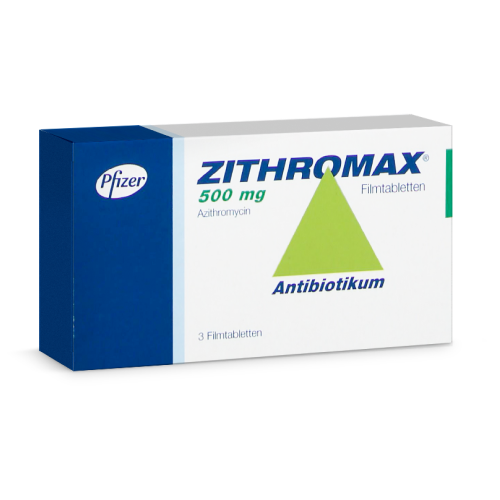
| Medicine name | Zithromax |
|---|---|
| Main component | Azithromycin |
| Therapeutic use | Broad-spectrum antibiotic for bacterial infections |
| Strengths on offer | 250 mg, 500 mg tablets; 200 mg/5 ml suspension |
| How quickly it works | Noticeable improvement within 24–48 hours for most infections |
| Effect duration | Treatment course typically 3–5 days; action persists for several days post-dose |
| How to take | Once daily, usually on an empty stomach |
| Prescription status | Prescription-only in the UK |
| Generic manufacturers (UK) | Teva, Sandoz, Mylan, Accord Healthcare |
Zithromax: Practical Guidance for Use in the United Kingdom
Zithromax is an antibiotic containing the active ingredient azithromycin, used to treat a range of bacterial infections, including chest, throat, skin, and some sexually transmitted infections. It is available by prescription in the United Kingdom and is regulated for safety and efficacy. If you are seeking a solution for a suspected bacterial infection, Zithromax may be one of the options your healthcare provider considers.
You’re Not Alone: Understanding the Scope and Solutions for Bacterial Infections
Respiratory and other bacterial infections are a daily reality for many in the UK. According to the UK Health Security Agency, in 2022 there were over 5 million reported cases of bacterial respiratory tract infections alone, with antibiotics prescribed in the majority of cases. The World Health Organization (WHO, 2023) states that over 50% of global antibiotic prescriptions are for common infections — underlining how frequently people face these health issues. This prevalence is not a sign of poor health, but a reflection of how common bacterial infections are. The key is that with accurate diagnosis and effective treatment, most cases are straightforwardly resolved, restoring health and daily routine.
How Zithromax Works: Mechanism and Real-World Impact
Azithromycin, the active agent in Zithromax, is a macrolide antibiotic. It works by blocking a process bacteria need to make proteins, which stops their growth and eventually causes them to die off. For you, this means that after the first dose, the infection-causing bacteria are already under attack — and you may start to feel better within a day or two. Unlike some antibiotics, Zithromax remains in the body for several days after the last dose, which is why treatment courses are often shorter (3–5 days) but still fully effective. This approach reduces the burden of daily medication and supports thorough eradication of the infection. Clinical studies have shown azithromycin to be highly effective for respiratory, skin, and some sexually transmitted bacterial infections.
Which Option Fits Me? Recognition of Personal Situations
| Your Situation | Is Zithromax Suitable? | Reasoning |
|---|---|---|
| I have a chest infection (e.g., bronchitis) and am allergic to penicillin. | Yes, Zithromax is often chosen. | Azithromycin is not related to penicillin and is commonly used when penicillin allergy is present. |
| I have been prescribed antibiotics for chlamydia or a mild skin infection. | Yes, Zithromax is a recommended option. | Single-dose or short-course Zithromax is effective for these infections and convenient to take. |
| I have a severe pneumonia requiring hospitalisation or a complicated infection. | Not first choice. | Hospital treatment may require intravenous antibiotics or a combination approach; oral Zithromax alone may not be enough. |
| I am pregnant or breastfeeding. | Sometimes, with medical supervision. | Azithromycin can be considered if necessary, but only after weighing risks and benefits with your doctor. |
| I have liver problems or a history of abnormal heart rhythms. | Often not recommended. | Zithromax may carry higher risks in these cases due to its effect on the liver and heart electrical activity. |
As shown above, Zithromax is versatile, but not universally ideal. Its place is strongest for straightforward, common infections, especially where other antibiotics cannot be used. For complex or hospital-level infections, or for people with certain health conditions, alternative antibiotics or extra monitoring are likely safer.
How to Use Zithromax: Practical Steps and What to Expect
- When to take: Usually once per day, either 1 hour before or 2 hours after food for best absorption.
- With or without food? Taking it on an empty stomach is preferred, but if it causes stomach upset, a light meal is acceptable.
- If you miss a dose: Take it as soon as you remember, but if it’s nearly time for your next dose, skip the missed one — do not double up.
- How long does treatment last? Most regimens are 3–5 days. For some infections, a single dose may be sufficient (e.g., chlamydia).
- How will I know it’s working? Symptoms like fever, cough, or discharge should begin to improve in 24–48 hours. If not, or if they worsen, contact your healthcare provider.
Non-standard situations:
- No improvement: If symptoms persist or worsen after 3 days, review with your doctor — bacterial resistance or a misdiagnosis may be involved.
- Side effects: Mild stomach upset is common and not usually a reason to stop. Severe rash, swelling, or difficulty breathing needs urgent medical attention (see below for emergency advice).
- After completing the course: Do not save unused tablets “just in case.” Always finish the full prescribed course, even if you feel better.
If unsure about any aspect of your treatment, pharmacists in the UK are trained to advise on antibiotic use and can clarify instructions as needed.
Who Should Not Use Zithromax (Contraindications and Medical Reasons)
- History of cholestatic jaundice or liver dysfunction: Previous reactions to azithromycin or other macrolides may indicate liver sensitivity, increasing the risk of serious liver side effects.
- Known hypersensitivity: If you have had allergic reactions to azithromycin, erythromycin, or similar antibiotics, avoid Zithromax due to high risk of another reaction.
- QT prolongation or certain heart rhythm disorders: Zithromax can alter the heart’s electrical conduction, raising the risk of arrhythmias in susceptible individuals.
- Severe kidney or liver impairment: Reduced organ function can increase the concentration of azithromycin in the body, heightening side effect risk.
For these situations, alternative antibiotics should be considered. Always inform your doctor of your full medical history before starting a new medication.
What Side Effects Might Occur and When to Seek Help
Most people tolerate Zithromax well, but some side effects are possible. Here is what you might encounter, how often, and what to do:
| Side effect | How common? | What to do |
|---|---|---|
| Mild nausea, diarrhoea, stomach ache | Common (up to 10%) | Usually self-limiting; continue treatment, stay hydrated. |
| Headache, dizziness | Uncommon | Monitor; if persistent, consult your doctor. |
| Skin rash, itching | Rare | Stop medication and inform your doctor if it worsens. |
| Severe allergic reaction (swelling, difficulty breathing, collapse) | Very rare | Seek emergency help immediately (call NHS 999 in the UK). |
| Irregular heartbeat or chest pain | Very rare | Contact your doctor urgently. |
If you notice severe symptoms such as swelling of the face or mouth, difficulty breathing, or sudden rash, these may be signs of anaphylaxis. In such cases, call NHS emergency services at 999 immediately. For less urgent symptoms, your GP or pharmacist can advise on whether to continue or adjust your treatment.
Can Zithromax Be Taken With Other Medications? Drug Interactions
Azithromycin interacts with a variety of medicines. It may increase blood levels of drugs such as warfarin (blood thinner), digoxin (heart medication), and certain statins. Combining Zithromax with other medications that affect heart rhythm (like some antipsychotics, antiarrhythmics, or antidepressants) can further raise the risk of arrhythmias. Always provide your healthcare provider with a full list of your current medications, including over-the-counter supplements and herbal remedies. Your pharmacist will screen for potential interactions and help manage them safely.
How Does Zithromax Compare? Alternatives, Strengths, and Limitations
In the UK, Zithromax (azithromycin) is most often compared with:
- Amoxicillin: A first-line antibiotic for many respiratory and ear infections. Preferred if there is no allergy and the bacteria are known to be susceptible.
- Doxycycline: Another alternative for those allergic to penicillins, also effective against chest infections and some STIs.
- Clarithromycin: Another macrolide, similar to azithromycin but with a different side effect profile and dosing schedule.
Zithromax stands out for its short, simple dosing (once daily, often for only three days), which can improve adherence. However, its use is limited in severe infections, in those with significant heart or liver issues, and where bacterial resistance is suspected. According to National Institute for Health and Care Excellence (NICE) guidelines, Zithromax is most effective for mild to moderate infections where bacteria are likely to be sensitive and the patient prefers a short course. For severe infections or those at risk for complications, hospital-based antibiotics or different agents may be safer.
What It Costs in United Kingdom: Medication, Prescription, and Delivery
| Cost item | Amount | Note |
|---|---|---|
| GP consultation (NHS) | Free | For registered NHS patients |
| Private GP or online consultation | £30–£75 | For those using private telemedicine or clinics |
| Prescription charge | £9.65 per item | NHS England standard prescription fee |
| Zithromax (Azithromycin, 3–5 day course) | £6–£20 | Varies by pharmacy and dosage; generics available |
| Delivery (online pharmacy) | £3–£6 | Standard or express, if applicable |
| Total | £9.65–£101.65 | From lowest NHS scenario to private/online purchase with delivery |
On the NHS, UK residents pay only the standard prescription fee if eligible (currently £9.65 per item). For those seeking faster service or requiring a private prescription (such as online doctor platforms), costs may be higher, especially when adding private consultation and delivery fees. Pharmacists will provide the original or a generic version by law, both of which are regulated by the Medicines and Healthcare products Regulatory Agency (MHRA) for quality and safety.
Remaining Questions: What If I Need Zithromax Quickly or Without My Usual GP?
For many, the need for antibiotics like Zithromax can arise outside normal GP hours or when away from home. In the UK, legitimate online pharmacies registered with the General Pharmaceutical Council (GPhC) can supply Zithromax after an online assessment with a prescriber. However, UK law requires a prescription — any site selling antibiotics without one is operating illegally and may supply unsafe or counterfeit medication. Always check that the pharmacy is GPhC-registered and that you provide medical information before obtaining your prescription. Pharmacists can dispense the medicine once a valid prescription is received, and many offer same-day or next-day delivery within the UK. For urgent medical needs, NHS 111 can advise on local options, and emergency services are always available for severe symptoms.