

- Home/
- Buy Doxycycline Without Prescription in the United Kingdom Online
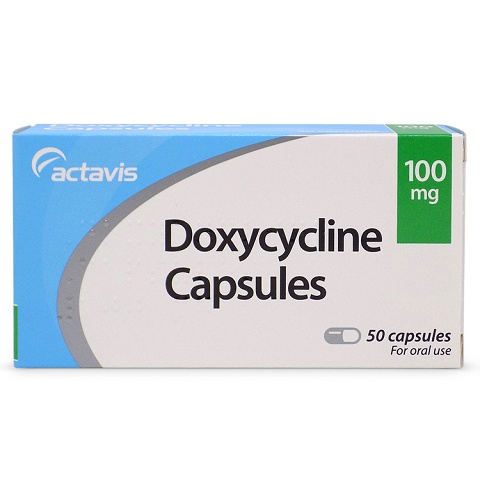
| Brand/generic name | Doxycycline |
|---|---|
| Main constituent | Doxycycline (antibiotic) |
| Primary uses | Bacterial infections, including respiratory tract, skin, urinary tract, sexually transmitted infections, Lyme disease, malaria prophylaxis |
| Common dose strengths | 50mg, 100mg capsules/tablets |
| Typical duration of action | 12 to 24 hours per dose |
| How quickly it works | Starts to take effect within 1–2 hours (symptom relief may take longer) |
| Prescription requirement in UK | Prescription-only medicine (POM) |
| Usual dosing schedule | Once or twice daily, depending on the infection |
Doxycycline: Information, Use, and Access in the United Kingdom
Doxycycline is a prescription antibiotic widely used in the United Kingdom to treat a range of bacterial infections. It is available legally through the NHS and private pharmacies, and is prescribed for conditions such as chest infections, acne, chlamydia, and malaria prevention. Understanding how and when to use doxycycline can help you manage your health with confidence and safety.
How common and manageable are bacterial infections in the UK?
Bacterial infections are a part of everyday life and affect millions each year in the UK. According to the UK Health Security Agency (UKHSA), there were over 520,000 cases of clinically significant bacterial infections reported in England during 2022, including urinary tract infections, respiratory tract infections, and sexually transmitted infections. The National Health Service (NHS) has well-established pathways for diagnosis and treatment, with antibiotics like doxycycline serving as a cornerstone for managing these conditions. Most bacterial infections are treatable, and access to effective antibiotics ensures that for the majority, recovery is achievable when the right medication is chosen promptly.
How does doxycycline work—and what does that mean for recovery?
- Mechanism at the microscopic level: Doxycycline disrupts the ability of bacteria to produce proteins essential for their growth and multiplication.
- What this means for your body: By halting bacterial replication, doxycycline allows your immune system to clear the infection more effectively.
- What you may feel: Symptoms such as fever and pain typically begin to resolve within 1–3 days after starting treatment, although the full course must be completed even if you feel better. For certain infections like acne, visible improvement may take several weeks.
Unlike some antibiotics, doxycycline has activity against a wide range of bacteria, including those less responsive to other treatments. For malaria prevention, it acts by interfering with the growth of malaria parasites in the blood, making it a preferred option for certain travel destinations.
Is doxycycline right for me? Practical scenarios for choosing or avoiding it
| Situation | Doxycycline: Yes/No? | Explanation |
|---|---|---|
| You have been diagnosed with chlamydia or a respiratory tract infection and have no history of severe allergies to antibiotics | Recommended | Doxycycline is a first-line treatment for chlamydia and common respiratory infections, per NHS guidance, due to its effectiveness and broad safety profile. |
| You are planning travel to a malaria-endemic region and require prevention | Often suitable | Doxycycline is a go-to for malaria prophylaxis, especially in areas with drug-resistant malaria, but requires a prescription and assessment of suitability. |
| You are pregnant, breastfeeding, or under 12 years old | Not suitable | Doxycycline is generally avoided in these groups because it can affect bone and tooth development in children and unborn babies. |
| You have a known allergy to tetracycline antibiotics | Contraindicated | Allergic reactions can be severe—alternative antibiotics are needed. |
| You have severe liver or kidney impairment | Special caution | Doxycycline is mainly eliminated by the body through the gut, but a doctor must assess risk if you have significant organ impairment. |
| Your infection is caused by a bacterium known to be doxycycline-resistant | Not effective | If lab results show resistance, another antibiotic will be required for successful treatment. |
These scenarios highlight that doxycycline is a flexible and reliable antibiotic for many common infections, but is not universally appropriate. Doctor review ensures correct matching to individual health needs and safety.
How do I use doxycycline effectively—and what if things don’t go as planned?
- Timing & food: Take doxycycline with a full glass of water, preferably upright, to avoid irritation of the oesophagus. For most infections, it is taken once or twice daily. Some forms are best taken on an empty stomach, but newer formulations may be taken with food to reduce stomach upset—follow your prescription label instructions.
- Missed a dose? Take it as soon as you remember, unless it’s nearly time for the next dose. Do not double up.
- If you vomit soon after taking it: If within an hour, consider repeating the dose. If unsure, contact your pharmacist or prescriber.
- How long: Complete the full course, even if you feel better—stopping early increases the risk of resistance and relapse.
- If symptoms don’t improve: If there’s no improvement within 3 days (for acute infections) or if you worsen at any point, seek medical review. Some conditions, such as acne, require weeks for visible results.
- What’s normal: Mild nausea, sensitivity to sunlight, and occasional diarrhoea are common and usually settle as your body adapts.
- What needs medical attention: Severe rash, breathing difficulty, persistent vomiting, or yellowing of the skin/eyes should prompt immediate medical review.
Practical tips: Avoid lying down for 30 minutes after taking doxycycline. Take extra care with sun exposure and use high-factor sun cream, as the medication can increase the risk of sunburn.
Who should NOT take doxycycline?
- Children under 12: Doxycycline can interfere with bone and tooth development at this age, increasing the risk of permanent tooth discolouration and enamel damage.
- Pregnant or breastfeeding individuals: The medicine may affect foetal development and is found in breast milk, so it is avoided unless deemed essential by a doctor.
- History of allergy to tetracyclines: If you have previously experienced allergic reactions (rash, hives, anaphylaxis) to this class, do not take doxycycline due to potential for severe reactions.
- Severe liver impairment: Doxycycline is processed by the liver, and in severe cases, its use can accumulate and worsen liver function.
- Rare metabolic disorders: Conditions like porphyria may be exacerbated by doxycycline and other tetracyclines.
These exclusions exist to protect your safety. If you have doubts or complex medical history, a clinical discussion is essential before starting doxycycline.
What side effects should I expect—and what do I do if they occur?
Most people tolerate doxycycline well, but side effects can occur. According to the British National Formulary (BNF), frequent effects include:
- Digestive issues: Nausea, upset stomach, diarrhoea (common; usually mild and short-lived)
- Photosensitivity: Increased risk of sunburn—take extra sun protection measures
- Headaches: Occasionally, may require dose adjustment if persistent
- Oral/vaginal thrush: Disruption of normal flora may cause fungal symptoms—report these if persistent
Rare but serious side effects:
- Severe allergic reaction: Sudden rash, swelling of face/throat, breathing difficulties—seek emergency help immediately (NHS emergency number: 999)
- Liver issues: Dark urine, yellowing of the skin/eyes—stop the medication and consult your prescriber urgently
Minor side effects such as mild stomach upset often resolve on their own. If you experience anything severe or unexpected, stop the medication and contact your doctor or pharmacist.
Can doxycycline interact with other medicines or foods?
Doxycycline interactions can change its effectiveness or increase side effects. Key interactions include:
- Antacids, iron, calcium, magnesium, or zinc supplements: These can bind the medicine in your stomach and reduce absorption—take doxycycline at least 2 hours apart from these substances.
- Other antibiotics: Some combine poorly (e.g. penicillins), as they may reduce each other’s effectiveness—consult your doctor if prescribed together.
- Blood-thinning medicines: Doxycycline can increase the effect of warfarin and similar drugs, requiring closer blood monitoring.
- Oral contraceptives: Evidence is mixed, but diarrhoea or vomiting from antibiotics can affect absorption—use additional contraception if affected.
If you’re on regular medication, review all your medicines with your prescriber or pharmacist before starting doxycycline. Grapefruit juice does not affect doxycycline, but always check for specific dietary restrictions with other medicines.
How does doxycycline compare to other antibiotics or alternatives?
| Medication | Main strengths | Limitations | When preferred |
|---|---|---|---|
| Doxycycline | Broad-spectrum; effective for respiratory, skin, genital and travel-related infections; usually well-tolerated | Not for very young children or pregnancy; photosensitivity; not effective for all bacteria | First choice for chlamydia, some respiratory infections, malaria prevention, and acne |
| Amoxicillin | Safe in pregnancy; good for many respiratory and urinary infections | Limited against penicillin-resistant bacteria; allergy risk | Preferred for ear infections, tonsillitis, and infections in pregnancy |
| Clarithromycin | Useful for penicillin allergy; covers many respiratory pathogens | May cause gastrointestinal upset; drug interactions (statins, anticoagulants) | Choice when penicillin allergy or for specific pneumonia |
| Alternative: Azithromycin | Short course; once daily dosing | Less suited to severe or mixed infections; not for malaria | Preferred for simple genital infections or travellers unable to take doxycycline |
Doxycycline stands out for its versatility and oral dosing convenience. However, alternative antibiotics may be better in situations involving specific allergies, pregnancy, or local patterns of resistance. Your doctor will weigh these factors based on infection type, your health, and current guidelines. In rare cases where bacterial resistance is confirmed, a different antibiotic will be selected.
How and where can I get doxycycline in the UK—and what will it cost?
Doxycycline can be obtained in the United Kingdom through:
- NHS prescription: Most common route. Cost per prescription is standard across England (£9.65), with exemptions for certain groups.
- Private prescription: May be issued in-person or via online clinics; costs vary according to provider and consultation fees.
- Legitimate online pharmacies: Must be registered with the General Pharmaceutical Council (GPhC). Online purchase still requires a prescription in accordance with UK law.
It is illegal to buy doxycycline without a prescription from unregulated websites. The Medicines and Healthcare products Regulatory Agency (MHRA) is the regulator overseeing safety and quality of medicines in the UK.
| Cost item | Amount | Note |
|---|---|---|
| GP or online consultation | £0 (NHS) – £45 (private/online) | NHS GP is free at the point of care; private or online providers may charge |
| Prescription charge | £9.65 (NHS England) | Per item; Scotland, Wales, NI: free |
| Doxycycline medication (course of 7–14 days, 100mg daily) | £3 – £20 | Generic, varies by pharmacy and dosage |
| Delivery (if ordered online) | £0 – £6 | Standard to express options |
| Total | £12.65 – £80+ | From NHS with no delivery, to private online with express delivery |
At the pharmacy, you will receive the medication in capsule or tablet form, with clear instructions for use. If you use an online clinic, ensure it is GPhC-accredited—look for their logo and verify registration. Delivery times range from same day to 3–5 working days, depending on the provider and your location.
What else should I know before starting doxycycline?
Dr. A. Sharma, Consultant in Infectious Diseases (UK):
“One question I am often asked is whether one course of doxycycline makes you ‘immune’ to further infections. Unfortunately, antibiotics don’t work like vaccines—each new infection requires reassessment. It’s also vital to mention that if you develop symptoms such as severe diarrhoea that persists after finishing doxycycline, especially with blood or fever, this may indicate a secondary infection, such as Clostridioides difficile, and should prompt urgent review.”
- Doxycycline does not protect against viral infections, such as the common cold or flu.
- Store at room temperature, away from direct sunlight and moisture.
- If you have any leftover tablets, return them to a pharmacy—do not dispose in household waste.
If you have further questions about your specific situation, your pharmacist or prescribing doctor can clarify the best course for your needs, including how to manage unexpected reactions or to tailor the duration to your infection type.