

- Home/
- Buy Lasix in Online Pharmacy – Fast Delivery in United Kingdom
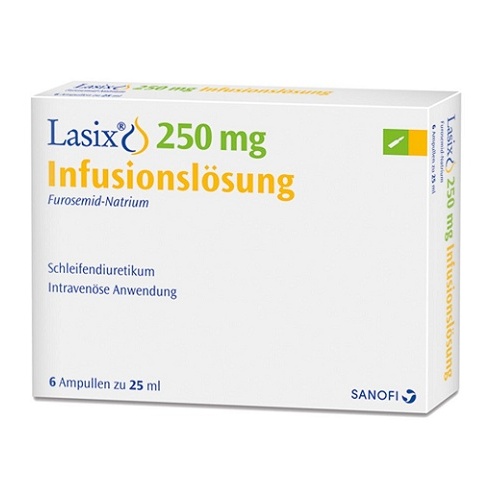
Lasix (furosemide) is a powerful prescription medicine used in the UK to treat fluid retention (oedema) caused by conditions such as heart failure, liver or kidney disease. If you’re considering Lasix, know this above all: the way it removes fluid can be rapid and dramatic, but it also demands careful monitoring for side effects and dosing mistakes—especially in the first weeks. Read on to understand why Lasix is sometimes the right choice, when it isn’t, and how to use it safely in real British life.
Why Lasix? The Real Reasons It’s Chosen—and When It Isn’t
It’s never just about swelling. When a doctor prescribes Lasix, they’re responding to a body’s warning that fluid is collecting where it shouldn’t—legs, ankles, lungs—often because of heart, liver, or kidney trouble. But Lasix is not the only option, and it’s rarely given lightly. For many in the UK, the turning point isn’t just discomfort; it’s when swelling starts to limit walking, sleeping, or breathing. That’s when a decision must be made: Lasix, or something else?
Lasix’s unique value lies in its speed and strength. It works fast—sometimes within an hour. For someone struggling to breathe due to fluid on the lungs, or whose legs balloon from day to night, nothing matches that initial relief. But this same strength is also its risk: too much fluid loss, too quickly, can drop blood pressure or disturb minerals like potassium, with serious consequences.
- Lasix is usually preferred when quick fluid removal is needed and kidney function can support it.
- Doctors in the UK often use it as a first-line treatment for oedema in heart failure, but as a second-line option for mild swelling from other causes.
- It’s not for cosmetic swelling or temporary weight gain. The risks outweigh any perceived benefit there.
- Some people respond poorly—elderly patients, those with low blood pressure, or anyone with erratic kidney function need special caution.
“Patients are often surprised when I say Lasix isn’t always the answer—even when swelling is severe. The decision depends as much on your blood tests, your underlying condition, and how you’ve responded to other treatments as it does on how much fluid you’re retaining.”
Knowing when Lasix is the right answer—and when it isn’t—can spare you unnecessary side effects and set you up for a safer, more effective treatment journey.
Furosemide in Action: What Patients Actually Experience
No two days on Lasix are quite the same, at least at first. For most, the first dose brings a flurry of bathroom trips within the hour. Some find this empowering—the swelling starts to shrink, shoes fit again, breathing is easier. Others feel anxious, or even dizzy, as their bodies adjust to the rapid shift in fluid balance.
Furosemide is a loop diuretic, which means it acts on a part of your kidney called the “loop of Henle,” forcing it to expel salt and water. Unlike “water tablets” that work gently, Lasix acts with a sweep: the more salt and fluid your body is holding, the more it removes—up to a point. But how much it removes, and how quickly, varies hugely from person to person, and even from day to day.
Furosemide’s real-world effects extend beyond the urge to urinate. Some people’s swelling improves steadily. Others plateau or see only partial results, prompting dose changes or the addition of other medications. And for a minority, the effect is unpredictable: days of little change, then sudden, dramatic fluid loss. This variability is why regular check-ups and blood tests are crucial while on Lasix.
- Loop diuretic
- A type of medicine that removes excess fluid by acting on the kidney’s “loop of Henle”, increasing urine output much more than milder diuretics.
In practice, furosemide often replaces other diuretics (like bendroflumethiazide or spironolactone) when their effect is too mild, but it can also be combined with them for difficult cases. Your response may predict which path your doctor chooses next.
Taking Lasix: How It Fits Into Your Day (And What Can Go Wrong)
Getting Lasix right isn’t just about swallowing a tablet—it’s about adapting your daily routine, watching for warning signs, and knowing when to ask for help. In the UK, most people start on a morning dose, sometimes with a second tablet in the early afternoon. The timing isn’t arbitrary. It’s set to align with your natural rhythm, so you avoid nighttime trips to the loo and dehydration overnight.
- Missing a dose can mean swelling returns quickly, but taking it too late in the day risks sleep disruption and, rarely, low blood pressure as you stand at night.
- Double-dosing to “catch up” is not advised. Fluid loss too fast can be dangerous.
- Monitoring weight daily (after waking, before eating) is often advised as a practical way to spot fluid changes before swelling is obvious.
- Blood tests—at least in the first month—are standard in UK practice to monitor kidney function and “electrolytes” like potassium and sodium.
Patients sometimes ask, “How long will I be on Lasix?” The answer is: it depends. For some, it’s weeks; for others, indefinite. The duration depends on the underlying cause of oedema and how your body responds. Stopping suddenly can rebound in rapid fluid build-up, especially in heart failure.
Practical tip: keep an up-to-date medication list with you, especially if you’re admitted to hospital or see multiple doctors. Drug interactions—particularly with blood pressure medicines, lithium, and certain antibiotics—matter more with furosemide than with milder diuretics.
Which Side Effects Matter Most with Lasix—and When to Act
All medicines have side effects. What makes Lasix different is the speed and scope of changes it can bring. Some side effects are expected and manageable. Others are red flags demanding medical attention.
Most people experience increased urination and, less often, mild fatigue or light-headedness in the early days. Muscle cramps or palpitations can signal low potassium or salt—a reason to seek advice, not ignore. Rare but serious risks include hearing problems (especially on high intravenous doses), severe dehydration, or sudden confusion in older adults.
| Side Effect | How Common? | When to Contact a Doctor |
|---|---|---|
| Increased urination | Very common | Only if accompanied by confusion, dizziness, or inability to drink fluids |
| Dizziness or fainting | Common (especially after standing) | If you faint, or if dizziness persists or worsens |
| Muscle cramps or weakness | Fairly common | If severe or associated with palpitations, confusion, or vomiting |
| Hearing changes/ringing in ears | Rare (mainly with high IV doses) | Immediately—stop Lasix and call your doctor |
| Skin rash or itching | Uncommon | If rash spreads rapidly or is associated with swelling of the face/lips |
| Severe dehydration or confusion | Rare | Urgent—seek immediate medical attention |
For most, a side effect is an inconvenience—not a reason to stop. But don’t self-adjust your dose or stop Lasix without medical advice. UK NHS guidelines recommend regular blood tests to spot hidden risks before symptoms develop (NHS).
Side Effect Red Flags: What Cannot Wait
- Sudden hearing loss or ringing in your ears
- Severe muscle weakness or heart palpitations
- Confusion, extreme thirst, or stopped urination
- Severe rash, especially with swelling of face, lips, or mouth
If in doubt, contact your GP, pharmacist, or NHS 111. In the UK, these support lines are well-equipped to triage side effects and advise next steps—even outside usual surgery hours.
Lasix vs. Alternatives: Where It Stands in UK Oedema Treatment
| Attribute | Lasix (Furosemide) | Bendroflumethiazide | Spironolactone |
|---|---|---|---|
| Type | Loop diuretic | Thiazide diuretic | Potassium-sparing diuretic |
| Main Clinical Uses in UK | Oedema in heart failure, liver, and kidney disease | Mild/moderate oedema, hypertension | Oedema in heart failure, ascites (liver disease), resistant cases |
| Onset of Effect | 30-60 minutes (oral) | 1-2 hours | Several days |
| Strength of Effect | High—removes large volumes rapidly | Moderate—less fluid loss | Low to moderate—slower acting |
| Risk of Potassium Loss | High | Moderate | Low (can raise potassium) |
| Prescription Status UK | Prescription only | Prescription only | Prescription only |
| Monitoring Needs | Frequent blood tests, especially early | Less frequent monitoring | Monitor potassium for risk of high levels |
| Typical Monthly Cost to NHS | Low (generic widely available) | Very low | Low to moderate |
| Key Side Effects | Dehydration, dizziness, electrolyte imbalances, hearing risks (IV only) | Low sodium, gout, mild dehydration | Gynaecomastia, high potassium, menstrual changes |
What does this mean for you? Lasix delivers fast, dramatic results—and is often chosen for severe or urgent oedema. Bendroflumethiazide may be considered for mild swelling, especially if you also have high blood pressure. Spironolactone is slower, but crucial in certain heart or liver conditions, and is often added to Lasix when fluid retention is stubborn or potassium needs to be preserved.
Doctors in the UK will often switch between these drugs, or combine them, as your condition evolves. Lasix’s strength is its rapid action, but that comes with a higher need for monitoring. Mild, slowly-developing fluid retention may be better managed with alternatives that pose fewer risks and less disruption to daily routines.
Getting Lasix in the UK: Prescriptions, Cost, and Access
Lasix is a prescription-only medicine in the UK. You won’t find it over the counter, online without a prescription, or as an “add-on” in supplements. This protects patients from misuse, dangerous interactions, and counterfeit drugs that have appeared online in recent years.
The NHS covers the cost of Lasix for those who qualify for free prescriptions—this includes people over 60, under 16, those with certain medical conditions, and low-income patients. For others, the standard NHS prescription charge applies per item (NHS Prescription Charges). Private prescription prices are low (Lasix is off-patent and generic furosemide is standard) but can vary by pharmacy.
- Pharmacists routinely check for drug interactions, allergies, and recent blood tests before dispensing Lasix in the UK, often more rigorously than in other countries.
- Repeat prescriptions are usually managed by your GP, with annual reviews (or sooner if your dose changes).
- Travel tip: If you need Lasix abroad, carry a copy of your prescription and a letter from your GP—Lasix is controlled differently in many countries.
Online pharmacy services are legal and reputable in the UK when registered with the General Pharmaceutical Council (GPhC). Always check the GPhC registration before using a new online service. If the price looks too good to be true, it usually is.
When Not to Take Lasix: Absolute and Relative Contraindications
- You have a known allergy to furosemide, Lasix, or other sulphonamide-type diuretics.
- You are unable to urinate (anuria), unless this is being actively managed in hospital.
- You have severe dehydration or pronounced electrolyte imbalance that has not been corrected.
- There is evidence of hepatic coma (a specific form of liver failure).
- You are pregnant or breastfeeding—Lasix is not routinely recommended unless benefits outweigh risks.
- You have low blood pressure, irregular heartbeat, or kidney disease—dose and monitoring may need adjustment.
- You are taking medicines that also affect kidney function or electrolytes, such as ACE inhibitors, ARBs, NSAIDs, lithium, or digoxin.
- You are elderly or frail—risk of dehydration and falls is higher.
If you’re unsure whether you should start or continue Lasix, never stop suddenly without consulting your doctor. Some conditions—such as heart failure—can worsen rapidly if Lasix is withdrawn abruptly. There is almost always a safer way to adjust your treatment if side effects or new health issues develop.
FAQs: Real Patient Questions About Lasix in the UK
- Can I take Lasix for swollen ankles without seeing a doctor?
- No. In the UK, Lasix is prescription-only and should not be used for minor or unexplained swelling without medical evaluation. Oedema can have many causes—some unrelated to fluid retention—that require different treatments. See your GP for assessment before considering any diuretic.
- How quickly will I see results after starting Lasix?
- Most people notice increased urination within 1-2 hours of the first dose. Reduction in swelling or breathlessness often follows within days, though it may take longer for severe fluid retention. If you see no improvement after several days, contact your doctor—your dose or diagnosis may need review.
- Is it safe to combine Lasix with other diuretics?
- Sometimes. In the UK, specialists may combine Lasix with other diuretics (like spironolactone) for resistant oedema, but this increases the need for close blood test monitoring due to risk of electrolyte imbalance. Never combine diuretics on your own.
- What should I do if I miss a dose?
- If it’s within a few hours of your usual time, take it as soon as you remember. If it’s late in the day or close to your next dose, skip it—do not double up. Missing a single dose may cause some swelling to return, but it’s rarely dangerous. Contact your GP if you miss multiple doses in a row.
- Will I lose weight on Lasix?
- Any weight loss on Lasix reflects fluid loss—not fat. The aim is to relieve symptoms and prevent complications, not to change your body shape. Rapid or excessive weight loss while on Lasix can be dangerous and should prompt review of your dose and monitoring schedule.
- Can Lasix cause kidney damage?
- When used as prescribed and with proper monitoring, Lasix rarely causes permanent kidney damage. However, large or prolonged doses, especially when dehydrated or when combined with other kidney-affecting medicines, can stress the kidneys. Regular blood tests are the best safeguard against this risk.
- Is it safe to drink alcohol while taking Lasix?
- Alcohol can increase the risk of dehydration, dizziness, and low blood pressure while on Lasix. Occasional light drinking is generally permitted, but always check with your doctor, especially if you already feel faint or lightheaded.
- Do I need to change my diet on Lasix?
- Some people on Lasix need to increase their potassium intake, while others may require salt restriction. Do not change your diet without specific advice from your doctor or dietitian. Regular blood tests will guide whether dietary changes are needed based on your individual response.
Sources & References
- Furosemide (Lasix): NHS Medicines Guide
- Medicines and Healthcare products Regulatory Agency (MHRA)
- ESC Guidelines for the Diagnosis and Treatment of Acute and Chronic Heart Failure, European Society of Cardiology, 2021
- Chronic heart failure in adults: diagnosis and management (NICE guideline NG106)
- Lasix: European Medicines Agency
- Furosemide (Oral Route): Mayo Clinic
- Baker, M. “A practical guide to diuretics in heart failure”, British Journal of Cardiology, 2018
- General Pharmaceutical Council