

- Home/
- Buy Propecia in Online Pharmacy United Kingdom – Fast Delivery
A Scene from the Hair Loss Frontline in the UK
The first signs are rarely dramatic. It’s the slow retreat along your temples, the thinning at the crown you only notice in harsh bathroom light. In the UK, clinics see hundreds of men each week walking in with the same story — the mirror reflection that’s begun to shift, the uncertainty about whether to act. Hair loss isn’t life-threatening, but it can quietly reroute confidence and self-image, especially when every online forum, advert, and mate at the pub seems to have an opinion about what works.
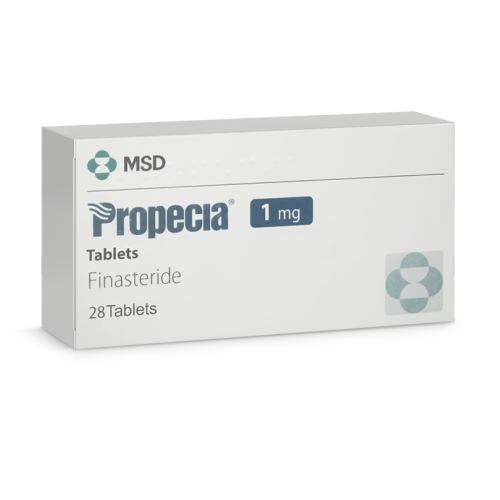
Among the noise, Propecia stands out. Not because it’s new (it isn’t — licensed since 1999), but because it’s the only oral medication licensed by the Medicines and Healthcare products Regulatory Agency (MHRA) for male pattern hair loss. It’s prescribed, debated, and, in some circles, feared. No shampoo or supplement generates this much clinical scrutiny.
Some men arrive at their first appointment hoping for a miracle. Others are already wary — they’ve read about side effects, or know someone who didn’t see results. Everyone, though, wants the same thing: clarity about what Propecia actually delivers, and what it asks in return.
Is Propecia the Right Fit — Or Just the Most Talked-About?
In a world of over-the-counter solutions and Instagram ‘cures’, Propecia’s prescription-only status is both a badge and a barrier. For some, needing to see a GP or specialist feels like confirmation that their hair loss is “serious enough” to warrant real medicine. For others, it’s an obstacle — why jump through NHS hoops when a bottle of something herbal is a click away?
Yet the reality is that Propecia, or more precisely finasteride 1mg, is the only tablet with robust evidence for male pattern hair loss (androgenetic alopecia). Minoxidil (the lotion or foam) helps some, but it’s topical, not oral. Everything else — saw palmetto, caffeine shampoos, biotin — falls into the category of “may help, but can’t promise.”
- Propecia is not a quick fix. Most patients see visible improvement only after 3–6 months.
- Not all men respond. About two-thirds see a benefit; one-third notice little or none.
- Stopping reverses gains. If you stop, hair loss usually resumes within months.
This is not a popularity contest — it’s a question of matching the right treatment to the right patient, at the right time. The next sections will help you decide where you fit.
What Really Happens When You Take Propecia: The Lived Experience
Most men start Propecia after months (sometimes years) of indecision. Expectations run high — even while doubts linger about side effects, or whether it’s all just genetic fate. The first difference is subtle: for some, less hair coming out in the shower, or a partner saying “your hairline looks the same as last year.” For others, nothing much seems to change. This is normal.
“I thought I’d see a massive difference in six weeks. It was actually after about six months I realised my crown wasn’t getting worse, and maybe looked thicker.” — Real UK Propecia User, age 34
Propecia doesn’t regrow hair that’s been gone for years. Its strength lies in holding the line — slowing, stopping, or modestly reversing thinning at the vertex and mid-scalp. Only a minority see visible regrowth. The real success stories often come from those who started early, stuck with it, and set realistic goals.
Hair shedding may temporarily increase in the first 1–2 months. This so-called “shedding phase” is normal and typically resolves. If it persists, check with your prescriber.
Inside Propecia: How Finasteride Changes the Hair Loss Game
Finasteride is a 5-alpha-reductase inhibitor. In plain English: it blocks the conversion of testosterone to dihydrotestosterone (DHT), a hormone that shrinks hair follicles in men with genetic sensitivity. Less DHT means less miniaturisation — and that’s the biological logic behind Propecia.
What sets finasteride apart from topical treatments is its systemic — whole-body — effect. Taken as a 1mg tablet once a day, it lowers scalp and blood DHT levels by up to 70%. This is enough, in most men, to slow or halt the progression of male pattern baldness.
- DHT (Dihydrotestosterone)
- A potent form of testosterone that shrinks hair follicles in genetically predisposed men.
- 5-alpha-reductase
- The enzyme that turns testosterone into DHT. Finasteride blocks this enzyme.
- Androgenetic alopecia
- The medical term for common male pattern hair loss.
Unlike minoxidil, which only acts locally and has to be applied every day to the scalp, finasteride works wherever DHT is produced. This is both its power and its risk: you can’t “target” the scalp alone, so the rest of the body experiences lower DHT too.
For men under 40 with mild to moderate hair loss, starting early offers the best chance of success. For those with extensive recession or longstanding baldness, expectations should be modest.
Which Side Effects Matter Most with Propecia — and When to Act?
No medication with real biological effect is side effect–free, and Propecia is no exception. Most men tolerate it well, but a minority experience unwanted effects — some minor, some more worrying. The biggest fear, fuelled by online forums and media headlines, is sexual dysfunction: reduced libido, erectile difficulties, or ejaculation issues, sometimes bundled as “post-finasteride syndrome.”
The MHRA and NHS guidance is clear: in clinical trials, 2–4% of men experienced sexual side effects, but rates were similar to placebo in some studies. Most symptoms resolve after stopping, but there are persistent cases. Other risks include breast tenderness, mood changes, testicular pain, and — very rarely — male breast cancer or high-grade prostate cancer.
- Sexual side effects: Most common in the first months, often reversible, but can persist.
- Psychological effects: Depression and anxiety have been reported, but evidence is mixed.
- Other: Allergic reactions, breast changes, and testicular discomfort are rare but possible.
The following table summarises the key side effects, how likely they are, and when you should contact your doctor.
| Side Effect | How Common? | When to Contact Your Doctor |
|---|---|---|
| Reduced libido | 2–4% in trials | If persistent beyond 3 months, or significantly affecting quality of life |
| Erectile dysfunction | 1–3% | If new or persistent, especially if not improved after stopping |
| Breast tenderness/swelling | <1% | Always — to rule out underlying issues |
| Mood changes, depression | Rare, exact rate unclear | If you notice persistent low mood, anxiety, or suicidal thoughts |
| Allergic reactions (rash, swelling) | Very rare | Immediately — seek emergency care |
| Testicular pain | Rare | If persistent or severe |
For most, side effects are mild and reversible, but risk tolerance is personal. Open dialogue with your prescriber and ongoing monitoring are key. If symptoms persist after stopping, specialist referral may be warranted.
How Propecia Stacks Up: The Real-World Comparison Table
Every man weighing up hair loss treatment wants to know: is Propecia really better than minoxidil, or should I consider unlicensed alternatives like dutasteride or natural supplements? The comparison below focuses on what matters most for decision-making in the UK.
| Attribute | Propecia (Finasteride 1mg) | Minoxidil (Topical) | Dutasteride (Off-label) |
|---|---|---|---|
| Approved use in UK | Yes (MHRA) | Yes (MHRA, for men and women) | No (off-label for hair loss) |
| Mechanism | Blocks DHT via 5-alpha-reductase Type II inhibition | Scalp vasodilator, unclear mechanism | Blocks DHT via Type I and II inhibition (broader) |
| How used | 1mg tablet daily | Apply to scalp once/twice daily | 0.5mg tablet daily (unlicensed) |
| Effectiveness | ~66% slow/stop loss, modest regrowth in some | ~40% see improvement, mostly slows loss | May be more potent, but less studied for safety |
| Common side effects | Sexual dysfunction, mood change, breast changes | Scalp irritation, shedding, rare systemic effects | Sexual dysfunction (higher risk), mood change |
| Serious risks | Persistent sexual side effects, rare cancer risk | Minimal | Unclear, potential for persistent side effects |
| Prescription status (UK) | Prescription only | Over-the-counter | Prescription only (unlicensed for hair loss) |
| Typical UK cost (private) | £30–70/month | £10–30/month | £50–100/month |
| Reimbursement by NHS | No (cosmetic use) | No (cosmetic use) | No (off-label use) |
Propecia’s strength is its extensive evidence and regulatory approval for hair loss in men. Minoxidil is easier to access and carries fewer systemic risks, but works for fewer users and requires daily scalp application. Dutasteride may offer more potent DHT suppression, but is unlicensed for this use in the UK, and long-term safety for hair loss is less studied. Most NHS GPs will not prescribe dutasteride for alopecia — it’s a private/clinic-only option.
Getting Propecia Legally and Safely in the UK
In the UK, Propecia is a prescription-only medicine (POM). You cannot buy it over the counter, and any website or provider offering it without a prescription is breaking UK law. The MHRA regulates legal supply, and reputable online pharmacies must require a UK-registered prescriber review.
The standard pathway is: book an appointment with your GP or a private hair loss clinic, undergo an assessment to confirm male pattern hair loss (not all hair loss is suitable for finasteride), and discuss risks. If private, you’ll pay both for the consultation and the prescription; the NHS typically does not cover Propecia for cosmetic use.
- Prescription required: Yes, from a UK-registered prescriber.
- NHS coverage: No, except in rare, non-cosmetic cases.
- Online pharmacy: Legal if prescription-based and MHRA-registered. Check for the MHRA logo.
- Typical cost: £30–70 per month for branded Propecia; generics may be cheaper.
Pharmacy staff in the UK are trained to spot red flags for inappropriate use, and will not dispense Propecia to women or children. Your prescriber will also check for contraindications before issuing a script.
A UK Hair Loss Specialist on Propecia: What Patients Never Ask, But Should
“The biggest misunderstanding I see is that Propecia is either a miracle or a menace. In reality, it’s a tool — effective for many, not all, and rarely black-or-white. Most men underestimate how much timing matters: starting while you still have plenty of hair is key. The other thing people get wrong is thinking side effects are guaranteed, or that they’re always mild and will vanish on stopping — both are untrue. What I tell my patients is: set your expectations, monitor closely, and make this a two-way conversation with your prescriber. For men with realistic goals, Propecia can preserve hair for years, sometimes decades, but it’s never risk-free.”
Propecia in the UK: Questions Answered
- How long does it take to see results with Propecia?
- Most patients start to notice less shedding or stabilisation after 3–6 months. Visible regrowth, if it happens, is usually seen after 6–12 months. It’s important to continue taking it as prescribed and not judge effectiveness too early.
- What happens if I stop taking Propecia?
- Any gains made on Propecia typically reverse within 6–12 months of stopping. Hair loss resumes at the rate it would have progressed without treatment. Some side effects (if experienced) may persist after stopping, though most resolve.
- Can women or younger men use Propecia in the UK?
- Propecia is not licensed for women, and is strictly contraindicated during pregnancy due to risk of birth defects. It is licensed for use in men aged 18 and older. Off-label use in younger men is uncommon and should be specialist-guided only.
- Are generic finasteride tablets as effective as branded Propecia?
- Yes. Generic finasteride 1mg has the same active ingredient, and clinical studies show equivalent efficacy. Cost and tablet appearance may differ, but the clinical effect is the same.
- Will Propecia affect my fertility or testosterone levels?
- Propecia lowers DHT, not testosterone. Most men’s testosterone levels do not change significantly. A small number report fertility changes; if you are planning a family, discuss this with your doctor before starting.
- Can Propecia interact with other medications?
- Propecia is not known for serious drug interactions, but always inform your prescriber about all medicines and supplements you take. Caution may be advised with certain antifungals or antiepileptics, but most common medications are safe to combine.
- Is Propecia available on the NHS?
- Propecia is not routinely available on the NHS for hair loss, as it is considered a cosmetic treatment. Some specialist services may provide it under exceptional circumstances, but most patients pay privately.
- How do I report a side effect in the UK?
- Use the Yellow Card Scheme run by the MHRA to report any suspected side effects from Propecia or any other medication.
Sources and References
- Medicines and Healthcare products Regulatory Agency (MHRA), United Kingdom
- NHS: Finasteride for hair loss
- British Association of Dermatologists, Male Pattern Hair Loss Guidelines, 2018
- European Medicines Agency (EMA)
- Propecia Summary of Product Characteristics, electronic Medicines Compendium
- PubMed
- National Institute for Health and Care Excellence (NICE), Clinical Knowledge Summaries: Alopecia
- Mayo Clinic: Finasteride Precautions