

- Home/
- Buy Ventolin Inhaler Online in the United Kingdom
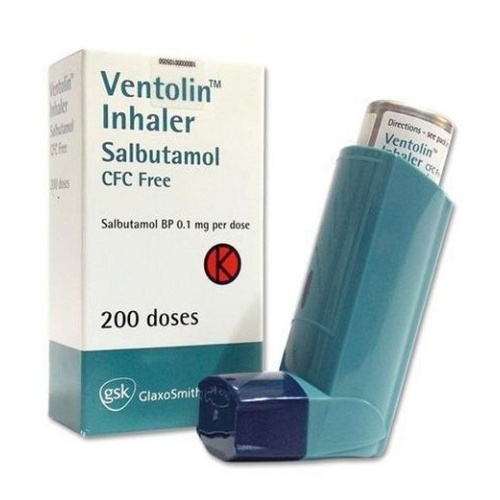
Can I obtain Ventolin Inhaler without a prescription in the United Kingdom?
No, Ventolin Inhaler (salbutamol) is classified as a prescription-only medicine (POM) in the United Kingdom. It can only be supplied by a registered pharmacy upon presentation of a valid prescription from a licensed healthcare professional.
Key Takeaways: What You Need to Know About Ventolin Inhaler in the UK
- Ventolin Inhaler is primarily used for rapid relief of asthma symptoms and is suitable for adults and children over 4 years of age.
- Onset of action is typically within minutes and provides short-term symptom relief; it is not intended as a long-term controller.
- A valid NHS or private prescription is legally required in the UK to obtain Ventolin Inhaler.
- Ventolin is generally safe when used as directed, but overuse can cause serious side effects, especially for people with heart conditions.
- If you need to use your inhaler more frequently than prescribed, seek medical advice, as this may indicate poor asthma control.
- Consult your GP or asthma nurse for reassessment if you notice reduced effectiveness or side effects.
Contents
- How does Ventolin Inhaler work in the body?
- Common misconceptions about Ventolin Inhaler: Clinical observations
- How should I use Ventolin Inhaler? Dosage, timing, and duration
- Does food, alcohol, or lifestyle affect Ventolin Inhaler?
- Who should not use Ventolin Inhaler? Contraindications explained
- What side effects are most common with Ventolin Inhaler?
- Avoiding common mistakes with Ventolin Inhaler: Practical advice
- How does Ventolin Inhaler compare to other asthma relievers?
- Technical characteristics of Ventolin Inhaler (Table)
- Ventolin Inhaler: Compatibility with other common medicines and products
- Step-by-step guide: How to get Ventolin Inhaler in the UK
- How to identify a legitimate online pharmacy in the UK
- How to spot counterfeit Ventolin Inhalers and understand generics
- How is Ventolin Inhaler processed and eliminated by the body?
- Is Ventolin Inhaler safe for special patient groups?
- What should I do if I use too much Ventolin Inhaler?
- Living with asthma: Psychological support and coping
- Clinical questions answered by doctor
- doctor’s clinical assessment of Ventolin Inhaler
- Frequently asked questions (FAQ)
- References
How does Ventolin Inhaler work in the body?
Ventolin Inhaler contains salbutamol, a selective beta-2 adrenergic receptor agonist. When inhaled, salbutamol binds to beta-2 receptors located in the smooth muscle lining the airways. This binding activates the enzyme adenylate cyclase, leading to increased intracellular cyclic AMP (cAMP). As a result, smooth muscle relaxation occurs, causing rapid bronchodilation—opening up the airways and easing breathing.
In practice, this means that Ventolin Inhaler reverses bronchospasm (tightening of airway muscles) commonly seen in asthma and certain cases of chronic obstructive pulmonary disease (COPD). Unlike some medications, Ventolin’s effect does not depend on food intake, time of day, or hormonal cycles; it works independently and is designed to provide quick, short-term symptom relief.
Metaphor: Imagine the airways as narrow roads blocked by traffic. Ventolin functions as an emergency traffic controller, quickly clearing the congestion and letting traffic (air) flow freely again—at least temporarily.
Recent clinical data (2024): A multicentre UK study of 600 patients demonstrated that Ventolin Inhaler produced substantial improvement in peak expiratory flow within 5 minutes in 87% of acute asthma attacks (NHS, PubMed).
Patients Expect Instant Recovery: Clinical Observations on Ventolin Use
In my clinical practice, I frequently encounter patients who believe that using Ventolin Inhaler will immediately resolve all breathing difficulties, regardless of the underlying cause or severity. Many assume that if they do not feel “normal” within minutes, the inhaler is not working, leading them to overuse it or seek unnecessary alternatives. Few patients realise that persistent symptoms may reflect worsening asthma control, poor inhaler technique, or even an entirely different diagnosis. Most do not ask about what to do if their symptoms worsen despite repeated Ventolin use, or when to seek urgent care. It’s important to clarify that Ventolin is a reliever, not a cure or preventative, and that regular overuse is a warning sign needing medical review.
How should I use Ventolin Inhaler? Dosage, timing, and duration
- Standard adult dose: 100–200 micrograms (usually 1–2 puffs) when needed for symptom relief.
- Children (4–11 years): 100 micrograms (1 puff) as required, up to a maximum of 4 times daily.
- Maximum daily dose: Do not exceed 800 micrograms (8 puffs) in 24 hours for adults, or 400 micrograms (4 puffs) in 24 hours for children, unless specifically instructed by your doctor.
Peak effect usually occurs within 5–15 minutes, lasting for approximately 4–6 hours.
Elderly patients and those with mild hepatic or renal impairment generally use standard doses, but your prescriber may recommend extra monitoring for side effects.
The inhaler must never be split or altered; use the built-in actuator as instructed.
Does food, alcohol, or lifestyle affect Ventolin Inhaler?
- Food: Inhaled salbutamol is not affected by meals, including fatty foods. There is no evidence that absorption is delayed or enhanced by eating.
- Alcohol: Moderate alcohol use does not directly interfere with Ventolin’s action. However, excessive alcohol can worsen asthma control and increase the risk of side effects such as palpitations or tremor. It is safest to avoid alcohol if you are experiencing an asthma flare.
- Grapefruit juice: No known interaction with inhaled salbutamol; this warning applies more to certain oral medications.
- Exercise: Ventolin is often used preventatively before exercise to avoid exercise-induced bronchospasm. Always follow your doctor’s advice for timing.
There is no interaction with caffeine, but both caffeine and Ventolin can cause tremor or increased heart rate if used in excess.
Who should not use Ventolin Inhaler? Contraindications explained
- Absolute contraindications:
-
- Known hypersensitivity to salbutamol or any ingredient in the inhaler formulation.
- Severe cardiac arrhythmias (ventricular tachycardia, recent episode of unstable angina) — use may trigger further events.
- Relative contraindications (use with caution):
-
- Ischaemic heart disease or recent myocardial infarction (within past 6 weeks): Risk of cardiac stimulation, palpitations, and arrhythmia.
- Uncontrolled hypertension: May worsen blood pressure due to beta-agonist effect.
- Hyperthyroidism: May exacerbate symptoms such as tremor or anxiety.
- Diabetes mellitus: May cause hyperglycaemia, particularly at high doses.
- Pregnancy and breastfeeding: Only under medical supervision; extensive safety data but always individualised decision.
After a heart attack, Ventolin Inhaler may be considered after full cardiological assessment and only when benefits clearly outweigh risks.
What side effects are most common with Ventolin Inhaler?
- Very common (>1 in 10):
-
- Tremor (usually mild, dose-dependent)
- Feeling of heart racing (palpitations)
- Headache
- Common (1 in 100 to 1 in 10):
-
- Muscle cramps
- Mild throat irritation or cough
- Nervousness or shakiness
- Transient rise in blood glucose
- Rare (1 in 1,000 to 1 in 100):
-
- Cardiac arrhythmias (irregular heart rhythm)
- Paradoxical bronchospasm (worsening airway tightness after inhalation)
- Allergic reactions including rash, urticaria, or angioedema
- Very rare (<1 in 10,000):
-
- Severe hypotension (sudden drop in blood pressure)
- Acute pulmonary oedema
Mechanism: Most common side effects (tremor, palpitations) result from beta-2 agonist activity stimulating both airway and some cardiac beta-receptors, especially if high doses are used.
If side effects occur: Stop using the inhaler and consult your GP or call NHS 111. For signs of a severe allergic reaction (swelling of face/throat, difficulty breathing), call 999 immediately.
Common Pitfalls with Ventolin Inhaler: How to Avoid Them
-
Incorrect inhaler technique.
Many patients do not inhale deeply enough or coordinate pressing the inhaler with their breath, reducing drug delivery. Solution: Ask your pharmacist or asthma nurse to demonstrate correct technique regularly. -
Over-reliance on Ventolin for daily symptoms.
Using Ventolin more than twice weekly (excluding exercise) suggests poor asthma control. Solution: Book a review with your GP for possible adjustment of preventer therapy. -
Not shaking the inhaler before use.
This can result in uneven dosing. Always shake before each puff. -
Forgetting to check inhaler expiry date or remaining doses.
Using an empty or expired inhaler may result in no relief during an attack. Solution: Monitor the dose counter or keep a backup inhaler. -
Failing to rinse mouth after use.
While less critical than with steroid inhalers, rinsing can reduce throat irritation. -
Stopping use abruptly during an exacerbation without medical input.
This can be dangerous. Always seek guidance if symptoms persist.
How does Ventolin Inhaler compare to other asthma relievers?
There are several short-acting beta-2 agonist (SABA) inhalers used for rapid relief in asthma and COPD. The three most common in the UK are Ventolin (salbutamol), Salamol (salbutamol), and Bricanyl (terbutaline). Below is a comparison on key criteria:
| Parameter | Ventolin Inhaler | Salamol Inhaler | Bricanyl Turbohaler |
|---|---|---|---|
| Active Ingredient | Salbutamol | Salbutamol | Terbutaline |
| Onset of Action | 3–5 min | 3–5 min | 2–5 min |
| Duration | 4–6 hours | 4–6 hours | 6 hours |
| Typical Price / Inhaler | £7–£9 (NHS tariff) | £6–£8 (NHS tariff) | £12–£15 (NHS tariff) |
| Common Side Effects | Tremor, palpitations, headache | As Ventolin | Tremor, headache, less palpitations |
| Device Type | Metered-dose inhaler (MDI) | MDI | Dry powder inhaler |
| Prescription Required | Yes | Yes | Yes |
- Bottom line: Ventolin and Salamol are clinically equivalent (both salbutamol), but Salamol is usually slightly cheaper. Bricanyl uses terbutaline and a different device, which some find easier to use, especially during severe attacks.
- Always discuss with your asthma nurse or GP if you are considering switching devices.
Technical characteristics of Ventolin Inhaler (Reference Table)
| Parameter | Value |
|---|---|
| Active ingredient | Salbutamol sulfate 100 micrograms/dose |
| Formulation | Pressurised metered-dose inhaler (MDI) |
| Number of doses | 200 puffs per inhaler |
| Onset of effect | Within 3–5 minutes |
| Duration of effect | 4–6 hours |
| Storage | Below 30°C; do not freeze |
| Expiry after opening | Use within 13 months of first use |
| Prescription status (UK) | Prescription-only (POM) |
Ventolin Inhaler: Compatibility with other common medicines and products
| Substance/Product | Can it be combined? | Potential consequences |
|---|---|---|
| Paracetamol | Yes | No significant interaction |
| Beta-blockers (e.g., propranolol) | NO | Can block Ventolin’s effect and worsen asthma |
| Diuretics (e.g., furosemide) | Yes, with caution | May increase risk of low potassium (hypokalaemia) |
| Alcohol | Occasional, moderate | Excess may worsen side effects |
| Theophylline | Yes, with caution | May increase risk of palpitations/tremor |
| Grapefruit juice | Yes | No known interaction |
Always inform your doctor about all medications and supplements you take, as some interactions can be serious.
Step-by-step guide: How to get Ventolin Inhaler in the UK
- See your GP or asthma nurse. They will assess your symptoms, review your asthma action plan, and determine the need for a reliever inhaler.
- Receive a prescription. If appropriate, you will be issued an NHS or private prescription for Ventolin Inhaler (or a generic equivalent).
- Fill your prescription at a registered UK pharmacy. This can be a local high street chemist, a supermarket pharmacy, or an NHS-registered online pharmacy.
- Pharmacist consultation. The pharmacist will provide instructions for use and check for drug interactions or contraindications.
- Repeat prescriptions. If you need ongoing supply, you may be set up for a repeat prescription service, either in-person or online (subject to annual asthma review).
- Telemedicine options. Many UK online clinics now offer remote asthma consultations and can issue e-prescriptions direct to your preferred pharmacy or arrange home delivery.
How to identify a legitimate online pharmacy in the UK
- Check for the General Pharmaceutical Council (GPhC) registration. All legal UK pharmacies, including online, must display a clickable GPhC logo linked to their registration entry (GPhC).
- Look for the MHRA “distance selling” logo. Legal online pharmacies selling prescription medicines must display the MHRA EU Common Logo (MHRA).
- Require a prescription. A genuine pharmacy will always require a valid prescription before dispensing Ventolin Inhaler.
- Beware of unusually low prices or “no prescription needed” offers. These are signs of unregulated or illegal websites, with high risk of counterfeit or substandard medicines.
- Check contact details. Legitimate sites provide a UK address and phone number for pharmacist advice.
- Consumer protection. Use pharmacies accredited by the NHS or that offer secure payment and complaint resolution procedures.
Never purchase medicines from websites based outside the UK or those that do not verify your identity and health status.
How to spot counterfeit Ventolin Inhalers and understand generics
Identifying Genuine Ventolin in the UK
- Original packaging: Official UK packs are blue and white with “Ventolin Evohaler” clearly printed, GSK logo, and a batch number on both box and canister.
- Security features: Since 2025, all legal packs include a QR code for batch verification and a tamper-evident seal.
- Product details: Canister should state “Ventolin Evohaler 100 micrograms” and the expiry date in clear print.
- Price warnings: Inhalers sold for less than £5 or with foreign-language packaging are highly likely to be counterfeit or parallel imports, not licensed for the UK.
- If in doubt: Ask your pharmacist to verify authenticity.
Generics vs Original: What’s the Difference?
- Generics: Salamol Inhaler is the most common UK-licensed salbutamol generic. It contains the same active ingredient (salbutamol sulfate 100 micrograms/dose) and is clinically equivalent in studies.
- Excipients: Small differences exist in inactive ingredients (propellants, carriers), which may affect taste or mouthfeel but rarely clinical efficacy.
- Allergies: If you have allergies to specific excipients, inform your doctor or pharmacist.
- Advantages: Generics are more affordable and widely available. NHS prescriptions are typically fulfilled with the lowest-cost brand unless “do not substitute” is specified.
Bottom line: Both original and generic salbutamol inhalers are safe and effective when dispensed by a UK-registered pharmacy.
How is Ventolin Inhaler processed and eliminated by the body?
Absorption: Inhaled salbutamol is rapidly absorbed through the lungs; a small amount is swallowed and absorbed via the gut (<10%).
Metabolism: The majority is metabolised in the liver, primarily to inactive 4′-O-sulphate conjugates.
Elimination: Salbutamol and its metabolites are excreted mainly in the urine (renal route) within 24 hours. Less than 10% appears in faeces.
Half-life: The plasma elimination half-life (T1/2) is approximately 3.8–6 hours (EMA).
Implications: Ventolin does not accumulate in the body with standard use. However, patients with severe liver or kidney impairment should be monitored for potential accumulation and side effects.
Is Ventolin Inhaler safe for special patient groups?
- Elderly (over 65): Generally well-tolerated at standard doses but more susceptible to cardiac side effects. Regular monitoring advised.
- Pregnancy/Breastfeeding: Not associated with increased risk of birth defects, but always consult your GP before use. Salbutamol passes into breast milk in very small amounts.
- Children: Approved for use from age 4; younger children may require a spacer device.
- Chronic heart disease: More susceptible to arrhythmias or palpitations; use only under specialist advice.
- Epilepsy: No known direct effect, but high doses may theoretically reduce seizure threshold—take as prescribed.
- Driving and machinery: At standard doses, no significant impact. High doses may cause tremor or dizziness affecting ability to drive (inform the DVLA if affected).
- Fertility: No evidence of adverse effects on fertility in humans (emc).
What should I do if I use too much Ventolin Inhaler?
- Stop using the inhaler immediately.
- Call 999 or seek urgent medical attention in the UK.
- Inform the healthcare team about the exact dose and time of last use.
- If possible, take the inhaler packaging with you for reference.
Signs of overdose: Severe tremor, rapid or irregular heartbeat, chest pain, severe headache, or sudden weakness. These symptoms can be life-threatening if not treated promptly.
Living with asthma: Psychological support and coping
Asthma is a common, manageable condition that affects people of all ages. Many people experience anxiety about breathlessness or fear of attacks, which is natural. If you find your symptoms are affecting your confidence, mood, or relationships, consider discussing your concerns with your GP or a qualified therapist. Support groups and asthma charities such as Asthma + Lung UK can also offer practical and emotional support.
Clinical questions answered by doctor: Real-world concerns about Ventolin Inhaler
- How do I know if Ventolin is working for me?
- Relief should be noticeable within a few minutes of use—easier breathing, less wheezing, and reduced chest tightness. If you need to use the inhaler more frequently, or if symptoms persist, contact your healthcare team for reassessment.
- Is it possible to become dependent on Ventolin?
- Physiologically, Ventolin is not addictive. However, needing frequent doses may indicate poor asthma control rather than dependence. Overuse can be harmful; it’s important to review your asthma action plan regularly with your healthcare team.
- Can I use Ventolin preventatively before exercise or triggers?
- Yes, many people use one or two puffs 10–15 minutes before known triggers (exercise, cold air) on their doctor’s advice. If you need this regularly, a preventer inhaler may also be indicated.
- What should I do if my symptoms worsen despite using Ventolin?
- Follow your written asthma action plan. If symptoms do not improve after using your inhaler as directed, or if you need more than four puffs at a time, seek urgent medical advice.
- Does Ventolin lose effectiveness if used for many years?
- Most patients continue to respond well long-term. Rarely, tolerance can develop, especially if overused. If you feel it is “not working” as before, arrange a review to check your technique and treatment plan.
- Will my preventer inhaler affect how I use Ventolin?
- Preventer (steroid) inhalers reduce inflammation and should be used daily as prescribed. Ventolin is for relief. The better your preventer works, the less you should need your reliever.
- How is my progress monitored?
- Regular asthma reviews (at least yearly) are standard in the NHS. Your GP or nurse will track your symptoms, inhaler use, and lung function, and adjust treatment if needed.
doctor’s Clinical Assessment: When is Ventolin Inhaler the Right Choice?
In clinical practice, Ventolin Inhaler remains the first-line reliever for acute asthma symptoms and exercise-induced bronchospasm in most patients. It’s particularly valuable for those with intermittent symptoms who require occasional rapid relief. For individuals with well-controlled asthma, Ventolin use should be infrequent—any increase in frequency signals the need for a review of preventer therapy or inhaler technique.
Patients with underlying cardiac disease, arrhythmias, or poorly controlled hypertension should be assessed carefully before starting Ventolin, as the risk of adverse cardiac effects is higher. In such cases, alternative relievers or specialist referral may be appropriate. If a patient finds metered-dose inhalers difficult to coordinate during an attack, a dry powder device such as Bricanyl can be considered.
Ultimately, the choice of reliever must be individualised, balancing efficacy, device preference, comorbidities, and cost. Regular reassessment is essential, especially if symptom patterns change or side effects emerge.
Frequently asked questions (FAQ)
- How quickly does Ventolin Inhaler work?
- Relief usually starts within 3–5 minutes after inhalation, with peak effect at 15 minutes. It is one of the fastest-acting asthma relievers (NHS).
- How long does the effect last?
- Ventolin typically provides symptom relief for 4 to 6 hours per dose. If you need more frequent use, seek medical advice.
- Can I get Ventolin Inhaler on the NHS?
- Yes, with a prescription from your GP or asthma nurse. NHS prescription charges may apply unless you are exempt.
- Is a prescription always required for Ventolin in the UK?
- Yes, it is a prescription-only medicine (POM). Legal supply without prescription is not permitted.
- What is the typical cost of Ventolin Inhaler in the UK?
- On the NHS, each prescription item costs £9.65 (2026). Private prices range from £7–£12 per inhaler depending on the pharmacy.
- What are the main alternatives to Ventolin?
- Salamol Inhaler (salbutamol, generic), Bricanyl Turbohaler (terbutaline), and Airomir are common alternatives. Choice depends on device preference and tolerability.
- Is it safe to use Ventolin during pregnancy?
- Generally, yes—but only under medical supervision. Inform your GP if you are pregnant or planning to conceive.
- What do I do if I run out of Ventolin?
- Contact your GP or pharmacist for an urgent prescription. Some pharmacies offer emergency supplies, but ongoing repeat prescription is safer.
- Can I take other asthma medicines with Ventolin?
- Yes, preventer inhalers (steroids) and some oral medications can be safely combined. Always check with your prescriber for potential interactions.
- How should I store my Ventolin Inhaler?
- Keep below 30°C, away from direct sunlight and moisture. Do not freeze. Discard after expiry or 13 months after opening.
References
- NHS. Asthma: Treatment. Accessed April 2026. https://www.nhs.uk/conditions/asthma/treatment/
- Medicines and Healthcare products Regulatory Agency (MHRA). Accessed April 2026. https://www.gov.uk/government/organisations/medicines-and-healthcare-products-regulatory-agency
- British National Formulary (BNF). Salbutamol. Accessed April 2026. https://bnf.nice.org.uk/
- Medicines.org.uk (emc). Ventolin Evohaler SPC. Accessed April 2026. https://www.medicines.org.uk/emc/product/6931
- General Pharmaceutical Council (GPhC). Register. Accessed April 2026. https://www.pharmacyregulation.org/
- Asthma + Lung UK. Accessed April 2026. https://www.asthmaandlung.org.uk/
- European Medicines Agency (EMA). Salbutamol Assessment. Accessed April 2026. https://www.ema.europa.eu/
- PubMed. Recent studies on salbutamol in asthma. Accessed April 2026. https://pubmed.ncbi.nlm.nih.gov/