

- Home/
- Buy Prednisolone Online in the United Kingdom Safely and Easily
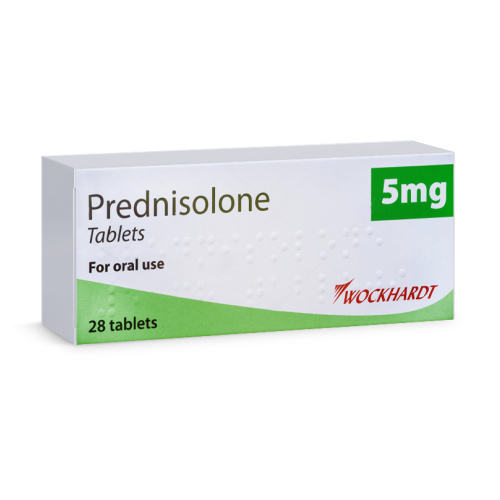
Prednisolone is a prescription medicine used to control inflammation when your body’s own defences are overreacting—whether in your joints, skin, lungs, or elsewhere. It works quickly but isn’t a cure-all, and what you do (or don’t do) while taking it can make a real difference. Before you go further, know this: Prednisolone can be both a lifesaver and a risk. The balance depends not just on the dose, but on daily habits and honest conversations with your doctor.
A Moment Every Patient Faces: When Prednisolone Is Put on the Table in the UK
It’s rarely a gentle introduction. You come into the surgery with a swollen knee, a red patch that won’t fade, or a cough that keeps you up at night. The GP, after a moment’s reflection, says, “I think we need to start you on Prednisolone.” There’s no drama—just the quiet recognition that something in your body needs urgent control. Inflammation has crossed a threshold. The reassurance is mixed: “It works fast,” they say, “but we need to use it with care.”
In the UK, Prednisolone is the go-to oral steroid for flares of inflammatory conditions—rheumatoid arthritis, severe asthma attacks, acute skin disorders, and dozens of others. It’s chosen when inflammation threatens to do real harm, or when other medications aren’t enough. Yet few patients realise just how much skill and strategy goes into that prescription. The decision is less about the diagnosis and more about risk, timing, and how your life will mesh with the medicine.
“Prednisolone is a balancing act,” says Dr. Rajiv Patel, a consultant rheumatologist in London. “For many, it’s the bridge between crisis and stability—but it’s never a set-and-forget solution. Patients who understand how it works, and what to watch for, do better. Those who expect it to be a quick fix are often disappointed, or worse—caught off guard by the side effects.”
That moment—when Prednisolone enters the conversation—is the pivot point in treatment. It signals that inflammation is now the main threat, not the original disease. The medicine is there to buy time and breathing space, not to take over. What you do next—questions asked, routines adjusted, risks managed—matters as much as the prescription itself.
Clinical Tip: Never see Prednisolone as a permanent solution for inflammation unless your doctor explicitly says so. Most courses are short, and each day beyond the minimum increases the chance of side effects.
How Prednisolone Tames Inflammation—And Why That Matters More Than You Think
Prednisolone doesn’t sedate pain or mask redness. It steps in upstream: blocking the signals that tell your immune system to unleash its full force on your own tissues. It’s a synthetic corticosteroid, mimicking the natural hormone cortisol but with more targeted anti-inflammatory power. That’s why it’s effective in asthma, arthritis, colitis, and even allergic reactions—the trigger changes, but the process is the same: runaway inflammation.
- Inflammation
- A natural immune response to injury or infection, which can become harmful if too strong or prolonged.
- Corticosteroid
- A class of medicines that reduce inflammation by mimicking the effects of hormones produced by the adrenal glands.
What most patients don’t hear is how quickly Prednisolone takes effect: sometimes within a day, often within hours for acute conditions. But fast relief is not the same as a cure. The underlying cause—be it an autoimmune flare or a severe allergy—remains. As inflammation resolves, the plan is to reduce the dose or stop the medicine. The longer you stay on it, the more likely side effects become the main story.
- Fast action brings quick symptom control, but also a higher risk of rebound if stopped suddenly.
- Wider immune suppression means it can make you more vulnerable to infections, especially at higher doses or longer courses.
- Individual response varies: some find it transformative, others tolerate it badly or see little benefit.
Prednisolone changes not just how you feel, but how your body reacts to everyday threats. That fact shapes everything from vaccination schedules to travel plans. In real life, it means thinking twice about crowded trains, winter bugs, and even live vaccines.
Prednisolone Versus the Alternatives: Where It Stands, When It Shines
Not every medicine for inflammation is a steroid, and not every steroid is Prednisolone. So why is it the default in so many flare situations across the NHS? Partly, it’s about predictability—Prednisolone is well understood, both in how it works and how it fails. Partly, it’s the flexibility: doses can be fine-tuned, and it’s quick to start or stop. But the real difference emerges when compared head-to-head with its cousins and competitors.
| Attribute | Prednisolone | Ibuprofen (NSAID) | Methotrexate |
|---|---|---|---|
| Mechanism | Steroid: suppresses immune/inflammatory signals | NSAID: blocks prostaglandins (pain and inflammation mediators) | Immunosuppressant: alters immune cell growth |
| Onset of Effect | Hours to 1-2 days | 30–60 minutes (pain), 1–2 weeks (inflammation) | 3–12 weeks |
| Duration of Use | Typically short-term (days–weeks), sometimes longer | Short-term or as-needed | Long-term (months–years) |
| Common Side Effects | Weight gain, insomnia, high blood pressure, mood changes | Stomach upset, ulcer, kidney effects | Mouth ulcers, low blood counts, liver effects |
| Serious Risks | Infection, diabetes, bone thinning, adrenal suppression | Bleeding, kidney injury, heart risks | Liver toxicity, lung problems, infection |
| Prescription Status (UK) | Prescription only | Non-prescription (low dose) | Prescription only, specialist initiation |
| Cost/Availability | Widely available, low cost, NHS covered | Widely available, low cost | NHS covered, specialist monitoring |
| Monitoring Needed | Yes—especially with longer use | Minimal (short-term), bloods if long-term | Regular blood tests mandatory |
Prednisolone stands out for speed and flexibility. When a patient is struggling to breathe or a joint is dangerously inflamed, waiting weeks for alternatives isn’t an option. Yet, that strength is also its greatest risk: the side effects come on just as fast, and the margin for error is thin. For chronic control, longer-term agents like Methotrexate or biologics take over. For pain alone, NSAIDs may suffice. But when the inflammation itself is the crisis, Prednisolone is often first off the shelf.
Stat: Over 6 million courses of Prednisolone are dispensed annually in England alone, most for short-term inflammatory flares [NHS Prescription Data].
Taking Prednisolone: What Changes and What Doesn’t in Everyday Life
The first morning after picking up your prescription, you may notice little—perhaps a slight metallic taste, or a surge in energy, or nothing at all. By the third day, swelling has eased, or breathing is easier, and you start to wonder if the treatment is working too well. But the realities of taking Prednisolone extend beyond symptom relief. Meal timing, sleep patterns, and even your mood can be pulled out of orbit.
- Always take Prednisolone with food. Stomach irritation is less common than with NSAIDs, but it’s not rare—and ulcers can still happen.
- Morning dosing isn’t just tradition; it mimics your body’s own daily rhythm of cortisol, reducing insomnia and mood swings.
- Sudden stops are dangerous. Even after a short course, your adrenal glands need time to adjust. Always taper as advised.
Warning: If you feel feverish, unusually tired, or develop a new cough while on Prednisolone, do not ignore it. Infections can progress faster and more seriously.
For many, the most disruptive aspect isn’t a side effect, but the vigilance Prednisolone requires. You may need to monitor your blood pressure, watch for weight changes, or check your blood sugar if you’re at risk. Some will carry a steroid emergency card—essential if you’re hospitalised or need surgery, so healthcare providers know you’re on, or have recently taken, steroids.
Prednisolone invites you to pay closer attention to your body. For most, the changes are temporary; for some, a new baseline is set. Communication with your healthcare team is as important as the dose itself.
Dosage Realities: How Prednisolone Is Prescribed and Adjusted in the UK
Prednisolone dosing isn’t a fixed recipe. Instead, it’s tailored—sometimes daily—based on your diagnosis, weight, age, and how your symptoms respond. In the UK, GPs and specialists both prescribe it, but long-term use is almost always overseen by a consultant. The NHS provides clear protocols, but every patient’s course is shaped by their situation.
| Condition | Initial Dose | Duration | Tapering Required |
|---|---|---|---|
| Asthma Exacerbation | 30–40 mg daily | 5–10 days | No (if ≤3 weeks) |
| Rheumatoid Arthritis Flare | 10–40 mg daily | Individualised (days–weeks) | Yes, taper gradually |
| Severe Skin Inflammation | 20–40 mg daily | 1–2 weeks | Usually yes |
| Ulcerative Colitis Flare | 40–60 mg daily | Up to 8 weeks | Yes, slow taper |
Children and those with kidney or liver impairment require more careful adjustments—specialist input is mandatory. For most adults, the aim is to use the lowest effective dose, for the shortest period possible. Tapering is essential for anyone on Prednisolone longer than two to three weeks, to prevent adrenal crisis.
Access Note: In the UK, all Prednisolone prescriptions are NHS-covered, and generic versions are available. Branded versions are rarely prescribed unless specific clinical reasons exist.
What’s not always obvious is the role of patient feedback in dose adjustments. Your report of side effects, or lack of improvement, influences whether the dose is held, increased, or weaned down. Don’t wait for your next appointment to raise concerns—timely contact can change the course of your treatment.
Which Side Effects Matter Most with Prednisolone—And When to Act
The list of possible side effects is long, but not every patient will experience the same profile. Some are minor annoyances. Others, while rare, demand urgent attention. The most common—weight gain, increased appetite, mood changes—are well known. It’s the less obvious complications that tend to surprise.
Common Mistake: Don’t assume that because Prednisolone is “just a strong anti-inflammatory,” it is free from serious risks. Even short courses can trigger unexpected changes, especially in older adults or those with pre-existing conditions.
- Insomnia and mood swings often appear within days. If you notice severe agitation, depression, or confusion, let your doctor know straight away.
- Blood sugar can rise, even in those without diabetes. If you feel thirsty, urinate more, or are unusually tired, ask for a glucose check.
- Infection risk climbs with both dose and duration. Any new fever, cough, or burning when you pass urine is worth reporting promptly.
| Side Effect | How Common? | Contact Doctor If… |
|---|---|---|
| Weight gain / Increased appetite | Very common | Rapid, unintentional, or distressing gain |
| Insomnia / Mood changes | Common | Severe anxiety, depression, or confusion |
| High blood pressure | Common | Severe headache, vision changes |
| Blood sugar rise | Common, more in those at risk | Thirst, frequent urination, confusion |
| Infection (general) | Increased risk | Fever, cough, pain on passing urine |
| Bone thinning (osteoporosis) | With long-term use | Fracture, back pain, height loss |
| Adrenal suppression | Possible after >3 weeks | Severe fatigue, weakness, low blood pressure |
| Eye complications (cataract/glaucoma) | Uncommon (prolonged use) | Blurred vision, eye pain |
For most short courses, side effects are reversible and resolve after stopping. Longer-term treatment brings cumulative risks—especially for bones, eyes, and blood pressure. That’s why the NHS recommends regular monitoring, and why your GP or specialist may request blood tests, eye exams, or bone scans if you remain on Prednisolone for more than a few weeks.
“The risk profile shifts as the course gets longer,” Dr. Patel points out. “With short bursts, we’re mainly watching for mood, sleep, and sugar changes. At three months or more, bone health and infection risk become front and centre. No patient should stay on Prednisolone long-term without a clear plan for monitoring and mitigation.”
When You Should Not Take Prednisolone: Absolute and Relative Contraindications
Absolute Contraindications:
- You have a known allergy to Prednisolone or any of its ingredients.
- You have a current, untreated systemic fungal infection.
- You are receiving live vaccines (e.g., yellow fever), especially at high doses of Prednisolone.
Relative Contraindications: Sometimes Prednisolone is still prescribed, but only after careful weighing of benefits and risks. These include:
- Active or latent tuberculosis: Steroids can worsen infection. Additional treatment and monitoring are needed.
- Uncontrolled diabetes: Prednisolone raises blood sugar, sometimes dramatically. Specialist advice is key.
- Severe mental health conditions: Mood effects are unpredictable and can exacerbate underlying problems.
- Peptic ulcer disease: Risk of new or worsening ulcers increases, especially when combined with NSAIDs.
- Severe osteoporosis: Long-term steroids accelerate bone loss.
These are not automatic exclusions, but they mean Prednisolone is prescribed only if there is no safer alternative, and always with extra precautions. If any of these situations apply to you, expect your doctor to discuss risks and monitoring in greater detail.
Accessing Prednisolone in the UK: Prescription, Pharmacy, Price
Prednisolone is classified as a prescription-only medicine by the Medicines and Healthcare products Regulatory Agency (MHRA) in the UK. That means you cannot buy it over the counter or online from a UK pharmacy without a valid prescription. NHS GPs and specialists can prescribe it, and it is covered as part of standard NHS care for approved indications.
Most UK pharmacies stock generic Prednisolone tablets (usually 1mg, 5mg, 25mg), liquid formulations, and sometimes modified-release forms. Branded versions are less common and typically only used if there’s an intolerance to excipients.
- Cost: The majority of patients pay the standard NHS prescription charge per item (unless exempt).
- Repeat Prescriptions: Available if you are on a longer course, with regular review and monitoring.
- Private Prescriptions: Permitted if outside NHS criteria, but most patients are managed on the NHS.
Online pharmacies registered with the General Pharmaceutical Council (GPhC) may dispense Prednisolone, but only against an authorised UK prescription. Beware overseas sites promising “cheap Prednisolone”—it is illegal to import prescription medicines without proper controls, and quality cannot be guaranteed.
Stat: The average cost to the NHS for a month’s supply of Prednisolone is less than £2, making it one of the most affordable prescription medicines in the UK.
Supply shortages are rare due to the widespread use of generics. If you experience difficulty obtaining Prednisolone, your pharmacist can usually source an equivalent or advise on alternatives.
Prednisolone in the UK: Your Questions Answered
- Can I drink alcohol while taking Prednisolone?
- Moderate alcohol intake is not strictly forbidden, but heavy drinking increases the risk of stomach irritation and ulcers. If you have liver problems or are taking other medicines that interact with alcohol, ask your doctor before drinking.
- Does Prednisolone affect my COVID-19 risk?
- Prednisolone can dampen the immune response, which may increase your risk of serious infections, including COVID-19. Do not stop the medicine suddenly, but discuss infection risk and vaccination timing with your doctor.
- How quickly will Prednisolone work for my condition?
- Relief can occur within hours for allergic reactions or asthma; for joint or skin problems, it may take a day or two. If you see no improvement after several days, contact your prescriber.
- What should I do if I miss a dose?
- If you remember within a few hours, take the missed dose. If it’s nearly time for the next, skip the missed dose and continue. Never double up. Repeated missed doses should be discussed with your doctor.
- Will I gain weight on Prednisolone—how can I prevent it?
- Weight gain is common, especially with longer use. Eating a balanced diet, limiting sugar and salt, and staying active can help. If weight changes are rapid or distressing, your doctor can advise further.
- Do I need to carry a steroid card?
- Yes, if you’re on Prednisolone for more than three weeks, or at high doses. In emergencies, healthcare workers need to know about your steroid use to manage stress dosing correctly.
- Can I stop Prednisolone suddenly if I feel better?
- No. Abruptly stopping can cause adrenal insufficiency, especially after longer courses. Always follow your doctor’s instructions on tapering, even if symptoms resolve quickly.
References
- Prednisolone: NHS Overview
- Medicines and Healthcare products Regulatory Agency (MHRA)
- British Society for Rheumatology Guidelines on Glucocorticoid Use, 2022
- Prednisolone: European Medicines Agency Summary
- NHS Prescription Data
- British National Formulary (BNF), Prednisolone, 2023
- Mayo Clinic: Prednisolone Oral Route
- Joint Formulary Committee. BNF 84. London: BMJ Group and Pharmaceutical Press; 2022.